
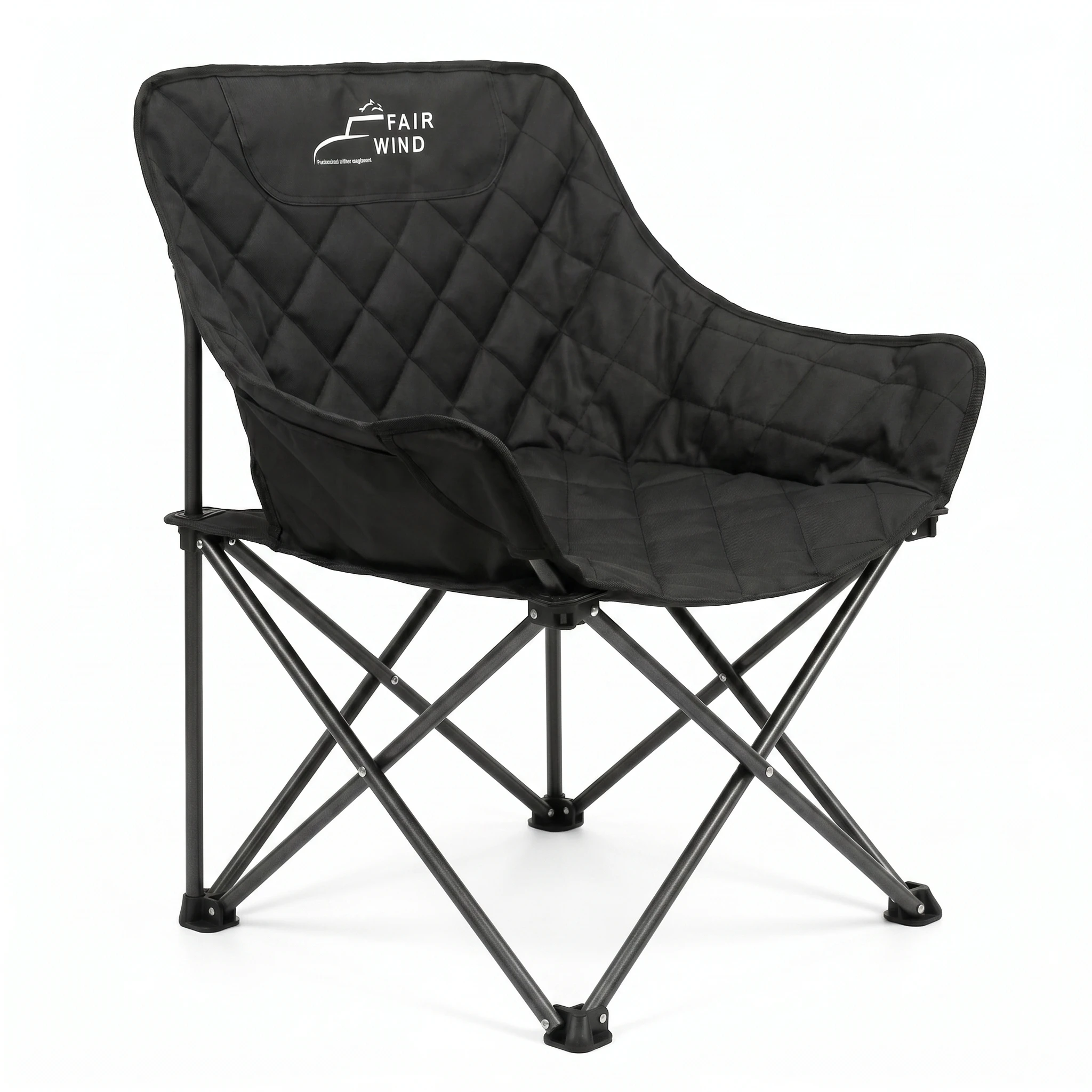
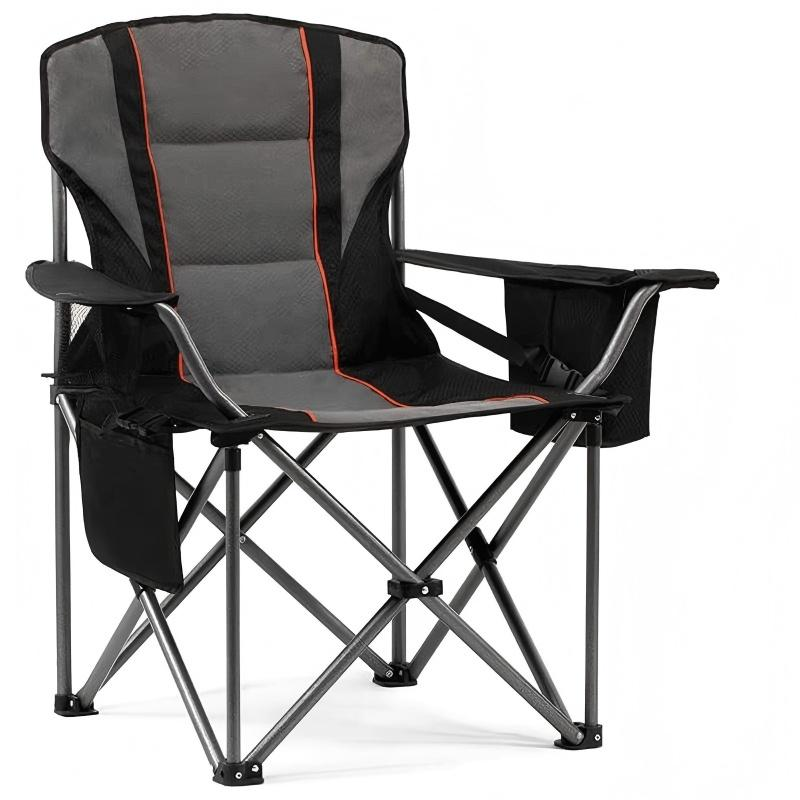
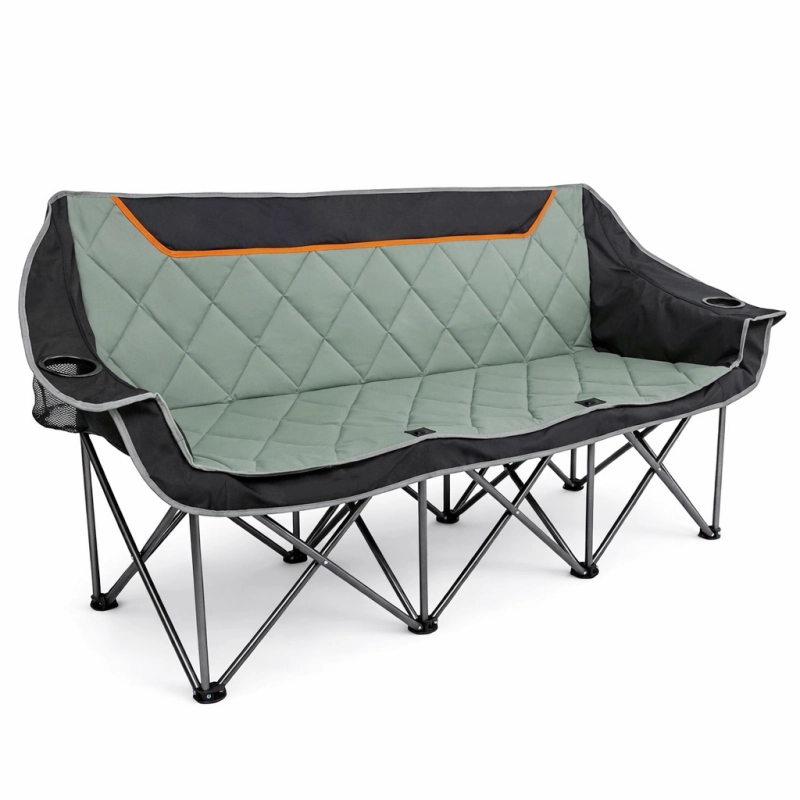
Abstract
A great camping chair may look simple, but behind every finished product is a long chain of design decisions, engineering checks, material sourcing, fabrication, sewing, assembly, quality control, and logistics planning. For B2B buyers, understanding how a chair moves from sketch to shipment is essential when evaluating suppliers, pricing, customization options, and production reliability. This guide explains how a camping chair is made in a modern factory environment, from concept development and frame design to fabric cutting, testing, packaging, and large-scale manufacturing. It also explores current market trends such as sustainability, traceability, lighter materials, and demand for more casual outdoor products. For importers, retailers, and private-label brands, this article offers a practical view of how manufacturing choices shape product quality, comfort, and commercial success.
Why Understanding Camping Chair Manufacturing Matters
For importers, wholesalers, retailers, and brand owners, buying a camping chair is not only about appearance. It is about structure, comfort, durability, safety, production stability, and long-term supply reliability. A buyer who understands the manufacturing process can compare suppliers more accurately, evaluate quotation differences more logically, and make smarter decisions about product positioning.
Today’s outdoor market is also evolving. The Outdoor Industry Association reported that the outdoor retail market showed a modest rebound to $28 billion in 2024, with growth increasingly influenced by casual consumers rather than only core technical users. At the same time, OIA noted that casual and active lifestyle participants now drive more than 90% of market spending, which means product development is increasingly influenced by ease of use, comfort, affordability, and wider consumer appeal. (outdoorindustry.org)
That shift matters for chair manufacturing. It means factories are no longer making only traditional utility seating. They now need to support a wider product mix, including the ultralight camping chair, comfortable camping chair, oversized camping chair, folding camping chair, and even lifestyle-focused models such as the swinging camping chair. For B2B buyers, this creates more opportunities for segmentation, private label development, and market-specific customization.
What Materials Are Used to Make a Camping Chair?
A finished camping chair is usually made from two major systems: the frame system and the seating system.
Frame Materials
The frame is the structural backbone of the chair. Common materials include:
- Steel tube
- Aluminum tube
- Powder-coated carbon steel
- Lightweight aluminum alloy
- Reinforced connectors made of plastic or nylon
- Rivets, screws, hinges, and locking parts
Steel is usually selected when cost control and higher load-bearing capacity are priorities. It is common in a comfortable camping chair, oversized camping chair, and family-use recreational models. Aluminum is preferred for a ultralight camping chair because it reduces weight while maintaining acceptable strength.
Fabric Materials
The seat and backrest generally use:
- 600D polyester
- 300D polyester
- Oxford fabric
- Ripstop polyester
- Mesh panels
- Padded fabric laminates
- Webbing straps
- Foam filling for armrests or padded seats
The fabric selection depends on target price, performance, and end-use conditions. A hunting or director-style product may prioritize ruggedness. A beach chair may emphasize breathability and quick drying. A custom camping chair for retail may require a specific fabric texture, logo printing, or color combination to support branding.
Accessories and Functional Parts
Additional components often include:
- Cup holders
- Cooler bags
- Side pockets
- Carry straps
- Headrests
- Footrests
- Swing mechanisms
- Rocking bases
- Carry bags
- Anti-slip feet
These small details often determine whether a chair is positioned as basic, mid-range, or premium.
Step 1: Product Design and Market Positioning
Every camping chair begins with a product brief. In a professional outdoor chair factory, design is rarely done in isolation. It usually starts with a clear commercial objective:
- Who is the target customer?
- What retail channel will sell the product?
- What price band is required?
- What load capacity is expected?
- What features are non-negotiable?
- What packaging format is needed?
- Does the buyer need a stock model or a custom camping chair?
For example:
- A ultralight camping chair targets hikers, backpacking users, and portable gear buyers.
- A comfortable camping chair targets general campers, family customers, and festival users.
- An oversized camping chair targets markets that value wider seating, stronger stability, and high weight capacity.
- A folding camping chair often targets mainstream retail because it is easy to display, store, ship, and use.
- A swinging camping chair serves consumers looking for novelty, leisure appeal, and a differentiated outdoor experience.
At this stage, the factory or buyer will usually define dimensions, seat height, frame structure, fabric layout, accessories, logo placement, packaging requirements, and target FOB cost.
Step 2: Engineering Drawings and Prototype Development
After the product concept is approved, engineers create technical drawings. This stage turns ideas into manufacturable details.
Key engineering work includes:
- Tube diameter and wall thickness
- Folding mechanism design
- Connector structure
- Angle calculations for stability
- Fabric tension points
- Armrest positioning
- Weight capacity targets
- Open and folded dimensions
- Packaging size optimization
Prototype making is critical. Even a simple camping chair can fail if the engineering is weak. Common prototype issues include:
- Unstable center of gravity
- Excessive seat sagging
- Difficult folding action
- Stress concentration at rivet points
- Fabric tearing at corner load points
- Weak plastic joints
- Poor user comfort
Factories usually make one or more prototype rounds before mass production approval. This stage is especially important for a custom camping chair, because custom dimensions, added accessories, or logo printing can affect the balance between appearance, cost, and performance.
Step 3: Material Sourcing and Supplier Coordination
Once the prototype is approved, sourcing begins. A professional camping chair factory does not just buy raw materials based on price. It evaluates consistency, lead time, durability, certification, and color stability.
Typical procurement categories include:
- Metal tubing
- Fabric rolls
- Mesh and webbing
- Plastic injection parts
- Powder coating materials
- Sewing thread
- Carry bags
- Cartons and labels
- Hangtags and user manuals
For international buyers, this stage matters because raw material variation directly affects product quality. If one batch of tube thickness changes slightly, the chair’s load performance may shift. If one fabric supplier changes yarn quality, abrasion resistance may drop.
Sustainability and traceability are becoming more important here. Textile Exchange states that chain of custody is important because fibers and materials often travel through many stages such as spinning, dyeing, weaving, cutting, and sewing, and traceability helps verify that recycled or organic claims remain accurate across the supply chain. Textile Exchange also notes that traceability is the ability to track a material through all stages of production and processing. (Textile Exchange)
This is increasingly relevant for outdoor furniture textiles and accessories, especially when buyers ask for recycled polyester or certified inputs. Textile Exchange’s 2025 Materials Market Report says recycled fibers represented 7.6% of global fiber production in 2024, and most of that volume was recycled polyester derived from plastic bottles. (Textile Exchange)
Step 4: Tube Cutting, Bending, and Frame Preparation
Once metal tubes arrive at the factory, frame production begins. This is one of the most important steps in chair manufacturing.
The process usually includes:
- Tube cutting
Steel or aluminum tubes are cut to precise lengths based on the engineering drawings. - Bending
Tubes are bent using specialized tooling so that the frame can achieve the correct opening angle, seat support geometry, and foldability. - Punching and drilling
Holes are created for rivets, screws, pins, or locking parts. - Deburring
Sharp metal edges are removed to improve safety and assembly accuracy. - Surface cleaning
Tubes are cleaned before finishing. - Coating or finishing
Steel frames are often powder coated to resist corrosion. Aluminum may receive anodizing or other finishes depending on the product.
At this stage, precision matters. If tube bending angles are inconsistent, the final camping chair may wobble or fail to fold properly. In a good outdoor chair factory, tooling control and fixture accuracy are key quality points.
Step 5: Sewing and Fabric Panel Production
While frame fabrication is underway, the fabric department prepares seat and backrest components.
The sewing workflow typically includes:
- Fabric inspection
- Pattern marking
- Fabric cutting
- Reinforcement patch placement
- Mesh splicing
- Webbing attachment
- Edge binding
- Pocket and accessory stitching
- Logo printing or embroidery
- Final panel inspection
The sewing quality of a camping chair is often overlooked by inexperienced buyers, but it is one of the most critical durability factors. Load is transferred from the user’s body into the seat fabric, then into stitched joints, then into the frame. Weak thread, poor seam allowance, or insufficient reinforcement can cause early failure even if the frame itself is strong.
For a comfortable camping chair, factories may add padding, quilted layers, wider seat panels, or ergonomic back support. For an ultralight camping chair, the sewing structure must balance low weight with high tear resistance. For an oversized camping chair, reinforcement at the seat corners and armrest junctions becomes even more important because of higher stress loads.
Step 6: Surface Finishing and Branding
Before final assembly, many components go through finishing and branding steps.
These may include:
- Powder coating in custom colors
- Silk-screen logo printing
- Heat transfer printing
- Embroidered brand marks
- Woven labels
- Rubber brand patches
- Retail hangtags
- Carton printing
- Wash and care labels
This is where a standard stock item becomes a custom camping chair. B2B buyers often use this step to create differentiation without redesigning the entire structure.
Common customization options include:
- Custom Pantone color matching
- Private label printing
- Custom carry bag
- Custom packaging box
- Product manual branding
- Barcode sticker application
- Special accessory add-ons
- Market-specific warning labels
For importers and retailers, this is often the most efficient way to build brand identity while using the manufacturing experience of an established camping chair factory.
Step 7: Final Assembly
After all parts are ready, the chair enters assembly. Workers combine the finished frame with fabric and accessories.
Assembly may include:
- Riveting frame joints
- Installing hinges and connectors
- Fitting fabric sleeves over frame sections
- Attaching armrests
- Installing cup holders or side pockets
- Adding anti-slip feet
- Mounting rocking or swinging systems
- Folding function checks
- Cleaning and touch-up
The assembly complexity depends on the model. A basic folding camping chair may be straightforward and efficient to assemble. A swinging camping chair usually involves more specialized support geometry and movement control. A comfortable camping chair with heavy padding, cup holders, and organizer pockets may also require more labor time.
For B2B buyers, labor complexity affects quotation. Two chairs may look similar in photos, but one may require much more assembly time and therefore have a significantly different production cost.
Step 8: Testing and Quality Control
No reliable camping chair factory should move directly from assembly to shipment without testing. Quality control normally covers raw materials, in-line checks, and final inspection.
Common quality checkpoints
- Tube thickness verification
- Fabric GSM and tensile checks
- Color consistency
- Stitch density
- Rivet tightness
- Folding smoothness
- Balance and levelness
- Load-bearing tests
- Carton drop tests
- Logo placement accuracy
Performance tests often include
- Static load test
- Dynamic fatigue test
- Opening and closing cycle test
- Corrosion resistance test
- Fabric tear resistance
- Seam strength test
- Leg stability test
- Armrest strength check
An oversized camping chair usually needs stronger structural validation because of higher advertised weight capacity. A ultralight camping chair must prove that lightweight construction does not compromise safety. A folding camping chair must survive repeated open-close cycles. A swinging camping chair requires stability verification during movement.
For serious buyers, asking about QC procedures is just as important as asking about price.
Step 9: Packaging and Export Readiness
After inspection, the chair is packed for storage and shipment. Packaging is more important than many buyers realize because it affects freight cost, warehouse efficiency, carton damage rate, and retail presentation.
Packaging options may include:
- One piece per carry bag
- One piece per carton
- Multiple pieces per export carton
- PDQ display packaging
- Mail-order packaging
- Retail-ready color box
The factory will also confirm:
- Carton dimensions
- Net and gross weight
- Container loading quantity
- Barcode labeling
- Shipping marks
- Drop test results
- Pallet requirements
- Compliance documentation
This stage is especially important for large-volume buyers because packaging efficiency has a direct effect on landed cost. A chair that folds more compactly may reduce freight cost enough to improve profitability, even if its factory price is slightly higher.
How Mass Production Works in a Camping Chair Factory
Mass production is where factory capability truly shows. A small workshop may be able to make a sample camping chair, but scaling to thousands or tens of thousands of units with stable quality is a different challenge.
A professional camping chair factory usually manages mass production through:
- Production planning
- Material requirement scheduling
- Line balancing
- Standard operating procedures
- In-line QC
- Batch traceability
- Rework control
- Shipment scheduling
The outdoor industry also depends heavily on global supply chains and long production cycles. OIA notes that outdoor products rely on carefully developed global supply chains, and production cycles often span 12 to 24 months, while supplier changes require significant lead time, planning, and capital. (outdoorindustry.org)
That is why experienced buyers often value stable factory relationships over chasing the absolute lowest price. Consistency across multiple orders is a core part of commercial success.
Product Comparison: How Manufacturing Changes by Chair Type
Below is a practical comparison of how chair category affects manufacturing focus.
| Chair Type | Main Manufacturing Priority | Common Material Direction | B2B Selling Advantage |
|---|---|---|---|
| ultralight camping chair | Weight reduction | Aluminum alloy, lighter fabric, compact structure | Ideal for portable and travel markets |
| comfortable camping chair | Ergonomics and user experience | Padded seat, wider frame, armrests, cup holder | Broad retail appeal |
| oversized camping chair | Load capacity and stability | Heavier steel tube, wider seat, reinforced stitching | Higher perceived value |
| folding camping chair | Efficient structure and storage | Standard steel or aluminum, collapsible joints | High-volume mainstream demand |
| swinging camping chair | Motion stability and novelty | Specialized frame geometry and suspended seat system | Good product differentiation |
| custom camping chair | Branding and market alignment | Flexible based on buyer needs | Strong private label potential |
This is why a buyer should not compare all chairs using only one cost logic. Different structures create different material usage, labor content, packaging dimensions, and testing requirements.
Latest Trends Shaping Camping Chair Production
Modern camping chair manufacturing is being influenced by several major trends.
1. Sustainability and safer textile sourcing
Buyers increasingly ask about recycled materials, chemical safety, and responsible production claims. OEKO-TEX states that MADE IN GREEN identifies textile products produced more sustainably in socially responsible workplaces and tested for harmful substances. OEKO-TEX STANDARD 100 applies to textile products and accessories, including recycled materials, and requires on-site visits as part of first certification. (oeko-tex.com)
For outdoor seating suppliers, this means that fabric sourcing and chemical management are becoming stronger selling points, especially for international retail programs.
2. More demand from casual consumers
OIA’s research and 2025 reporting highlight the growing weight of casual and active outdoor consumers in market spending, which pushes factories to develop chairs that are easier to use, easier to carry, and more lifestyle-oriented. (outdoorindustry.org)
This supports demand for the comfortable camping chair, family-use folding models, and visually distinctive products.
3. Multifunctionality and value-added features
ISPO reports that multifunctionality and sustainability are becoming increasingly important in sports and outdoor retail for spring-summer 2026 ordering trends. (ispo.com)
In chair production, that often means:
- Integrated storage
- Cooler bag functions
- Better portability
- Multi-scene use
- Enhanced comfort features
- More attractive retail presentation
4. Traceability and claim verification
As more brands market recycled or responsible materials, traceability becomes a commercial requirement, not just a technical topic. Textile Exchange emphasizes that chain of custody standards help ensure that sustainability claims remain accurate across the supply chain. (Textile Exchange)
For B2B customers, this increases the importance of working with factories that can provide clear documentation and stable sourcing records.
What Buyers Should Ask Before Choosing an Outdoor Chair Factory
Before selecting an outdoor chair factory, buyers should ask practical questions such as:
- What is your main material platform: steel, aluminum, or both?
- What is your standard weight capacity testing method?
- Can you support OEM and custom camping chair projects?
- What is your MOQ by model and by color?
- Do you manage fabric and frame production in-house or through partners?
- What certifications or test reports can you provide?
- Can you develop different models such as oversized camping chair, folding camping chair, or swinging camping chair?
- What is your normal sample lead time and production lead time?
- How do you control consistency across repeat orders?
- Can you optimize packaging for container loading?
These questions often reveal more than a catalog ever can.
Why Manufacturing Experience Matters More Than a Low Price
In the B2B market, the cheapest chair is not always the most competitive chair. A weak structure, poor sewing quality, unstable folding action, or inconsistent packaging can create complaints, returns, and lost customer trust.
An experienced camping chair factory adds value through:
- Faster sample development
- Better engineering judgment
- More reliable raw material control
- Better balance of comfort and durability
- Stronger QC execution
- Better support for private label programs
- Better communication on production and shipping
That is why many professional buyers compare total supply value, not just unit cost.
FAQs
What is the most important part of a camping chair manufacturing process?
The most important part is the combination of structural engineering and quality control. A camping chair must balance comfort, safety, durability, and foldability. Good design alone is not enough if material sourcing, sewing, or assembly quality is weak.
What is the difference between a camping chair factory and a general outdoor chair factory?
A camping chair factory focuses more deeply on portable seating products, including folding structures, compact packaging, outdoor fabrics, and chair-specific testing. An outdoor chair factory may have a broader product range, including beach chairs, stools, or stadium seating.
How is an ultralight camping chair different to manufacture?
A ultralight camping chair requires more careful engineering because weight reduction usually means less tolerance for design mistakes. Aluminum selection, compact frame geometry, and fabric strength become more critical.
Why do oversized camping chairs usually cost more?
An oversized camping chair generally uses more metal, more fabric, stronger reinforcement, and often larger packaging. It may also require stricter weight-capacity validation, which adds cost.
Can I develop a custom camping chair with my own branding?
Yes. A custom camping chair can usually include custom colors, logo printing, woven labels, packaging, hangtags, and even structure adjustments depending on the supplier’s development capability.
What should I check before placing a bulk order for folding camping chairs?
For a folding camping chair, you should check frame stability, folding smoothness, seat comfort, carton size, weight capacity, sewing quality, and whether the factory has repeat-order consistency.
Is sustainability becoming important in camping chair production?
Yes. Buyers increasingly ask about recycled inputs, traceability, and textile safety. Industry organizations such as OEKO-TEX and Textile Exchange have made certification, recycled claims, and chain-of-custody verification more visible in sourcing decisions. (oeko-tex.com)
Conclusion
A camping chair is the result of many connected manufacturing stages, not a simple low-tech product. From product positioning and prototype engineering to metal fabrication, sewing, assembly, testing, and export packaging, every step shapes the final quality and commercial value. Whether the target is a comfortable camping chair, ultralight camping chair, oversized camping chair, folding camping chair, or swinging camping chair, the real difference comes from how well the factory controls materials, workmanship, and production consistency. For B2B buyers, choosing the right supplier means looking beyond catalog photos and focusing on engineering strength, customization flexibility, quality systems, and long-term cooperation potential. If you are looking for a reliable manufacturing partner, Fairwind can support your business with practical development and production solutions for today’s outdoor market.
At Fairwind, we focus on helping global buyers build competitive outdoor seating programs with dependable manufacturing, flexible customization, and export-oriented service. Whether you are sourcing a standard camping chair, developing a custom camping chair, or expanding into broader outdoor seating categories such as Beach Chair, Kids Chair, Hunting Chair, Rocking Chair, Director Chair, Moon Chair, stool, Bungee Chair, and Stadium Seat, our team is ready to support your project. You can explore our homepage, learn more about our factory capabilities, view our project cases, or reach out through our contact page.