
Optimizing B2B Supply Chains for Outdoor Gear Businesses
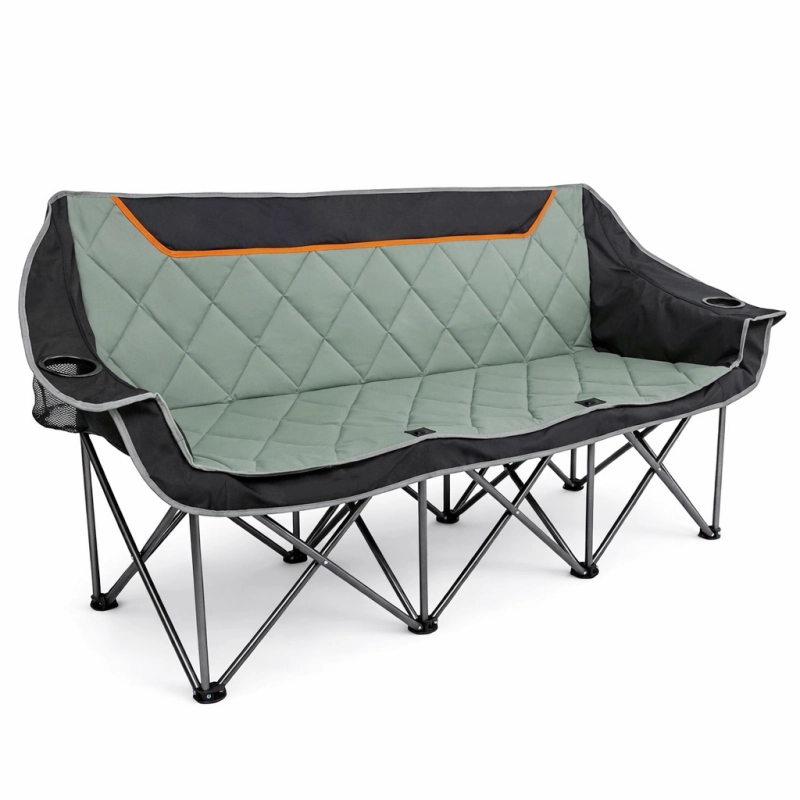
Seasonal demand fluctuations are one of the biggest challenges in the outdoor equipment industry. From summer camping booms to holiday travel surges, buyers, distributors, and retailers must strategically manage procurement to avoid stockouts, excess inventory, and cash-flow pressure. Whether you source camping chairs, camping tents, or other high-volume camping gear, a well-structured procurement strategy can significantly improve your operational efficiency and market competitiveness.
For B2B buyers working with an outdoor gear manufacturer, especially suppliers that offer custom specification, a refined procurement framework becomes even more critical. This article explores how to manage outdoor gear procurement effectively during peak seasons and how partnering with the right camping gear supplier can help stabilize your supply chain.
1. Understand Seasonal Demand Patterns for Outdoor Equipment
Before planning procurement, buyers must analyze historical sales and market trends. Outdoor equipment is highly seasonal. For example:
Spring–Summer (High Demand)
- Family camping trips increase.
- Sales of camping tents, camping chairs, canopies, portable furniture, and outdoor cooking gear peak.
- Retailers prepare for holiday seasons such as Memorial Day, Golden Week, or European summer tourism.
Autumn (Moderate Demand)
- Cooler climates shift consumer preference to insulated tents, hiking gear, and all-weather equipment.
Winter (Variable Demand)
- Lower demand for typical camping equipment but higher demand for overlanding gear, rooftop tents, and snow-proof tents.
- B2B buyers may purchase stock early for the next year’s spring.
Data-driven forecasting helps avoid over-purchasing inventory or missing sales opportunities.
2. Build a Flexible Procurement Plan for Camping Gear
Seasonal peaks require agility. A rigid procurement system often fails during sudden market spikes.
Key Strategies:
1. Segment SKUs by Priority Level
Classify products into:
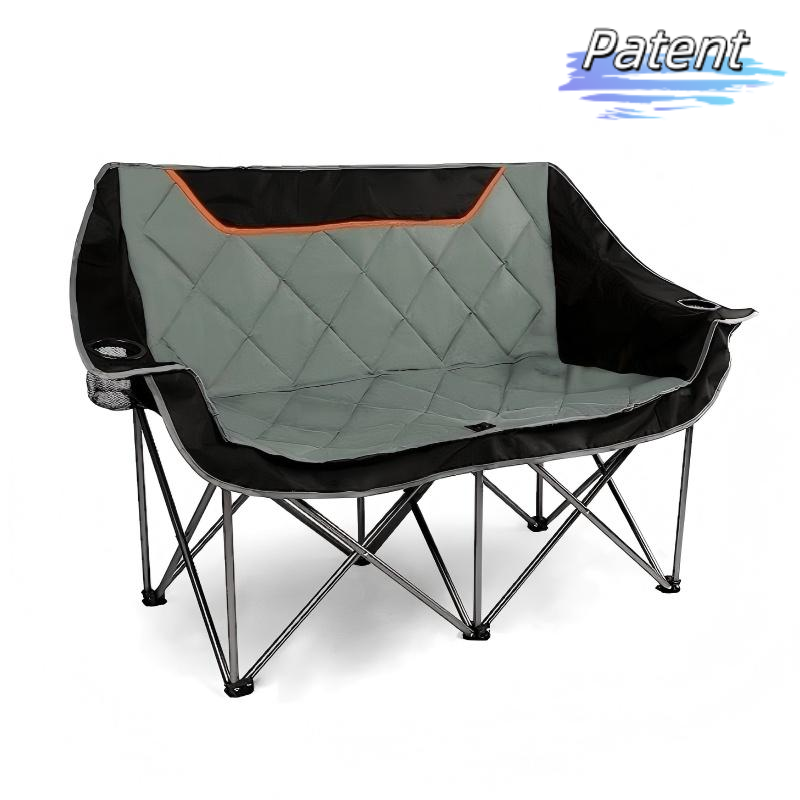
- Core items: e.g., camping chairs, camping tents
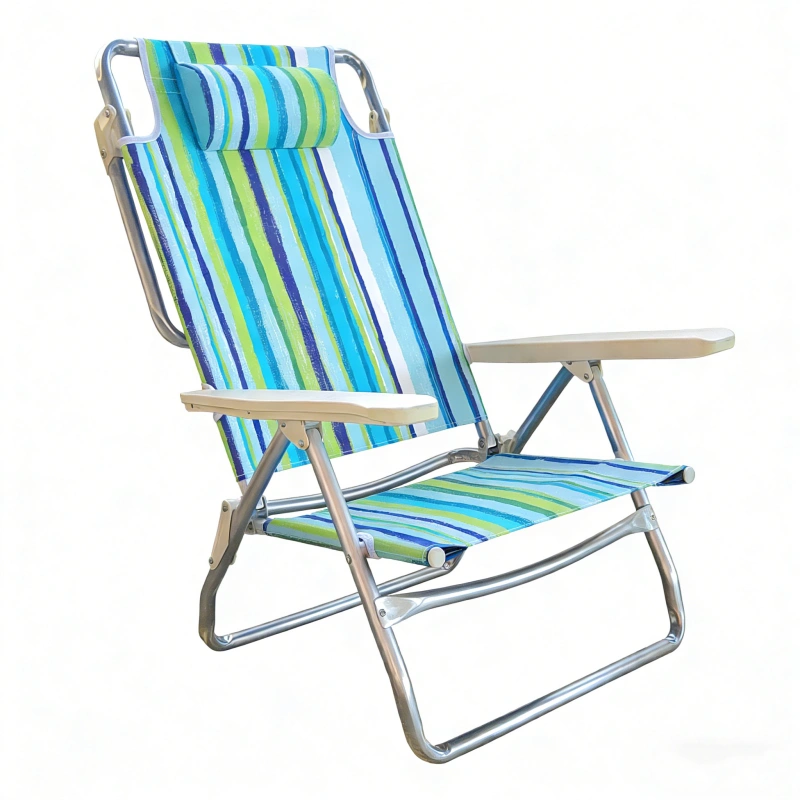
- Seasonal items: sunshades, beach furniture
- Custom items: OEM/ODM outdoor equipment, branded tents
- Slow-moving items: accessories or niche gear
This allows budget allocation based on actual sales potential.
2. Implement Rolling Forecasts
Update forecasts monthly or bi-monthly during peak seasons.
3. Reserve Production Slots with a Reliable Manufacturer
High-demand periods often overload factories. Partnering with a manufacturer who accepts the follows is essential for B2B buyers.
- advance reservations
- small-batch trial production
- rapid restocking
3. Select the Right Outdoor Equipment Manufacturer or Supplier
Choosing a dependable camping gear manufacturer is one of the most critical procurement decisions. Important Supplier Evaluation Criteria includes
1. Production Capacity & Lead Time
A good supplier should offer:
- scalable production
- stable raw material supply
- predictable delivery timelines
- flexibility for urgent orders
2. Customization Capabilities (OEM/ODM)
Seasonal demand often includes:
- branded camping chairs
- custom-color tents
- tailor-made outdoor equipment packages for distributors
- exclusive designs
Manufacturers with professional design teams strengthen product competitiveness.
3. Quality Management & Certifications
Outdoor gear must pass tests such as:
- waterproof rating tests for camping tents
- load-bearing tests for camping chairs
- fabric durability and UV resistance
- ISO factory certification
Quality assurance reduces return rates and enhances brand trust.
4. Supply Chain Transparency
Suppliers with clear information about raw materials, inventories, and production processes help buyers make better procurement decisions.
4. Optimize Inventory Planning for Peak Seasons
The challenge for many outdoor gear retailers and importers is finding the right inventory balance. Practical Inventory Strategies always contain:
1. Use Safety Stock Formulas
Buffer inventory ensures stable supply during unexpected demand spikes.
2. Apply ABC Analysis
- A-class: Premium camping chairs, tents and other products (high-value, high demand)
- B-class: General outdoor gear (steady demand)
- C-class: Low-value accessories (bulk items)
This method improves procurement cost control.
3. Adopt Pre-Order Models
For large distributors or outdoor brands, pre-orders help secure early production, lock in stable pricing, and avoid rush-season shortages.
5. Leverage Custom Outdoor Gear to Capture Market Trends
Seasonal peaks often include consumers looking for innovative, upgraded and premium camping gears. Working with a supplier offering OEM/ODM services allows brands and retailers to introduce unique, high-margin products that stand out.
Conclusion: Building a Strategic Procurement System for Seasonal Demand
Managing outdoor gear procurement during high-demand seasons requires a combination of forecasting, supplier collaboration, flexible inventory strategies, and product customization. B2B buyers who work closely with a reliable outdoor equipment manufacturer gain advantages such as stable supply, faster lead times, and higher product quality. Retailers, distributors, importers, and outdoor brands can achieve long-term success by establishing procurement strategies that are data-driven, supplier-integrated, and tailored to the rapidly growing outdoor market.
(By Alice Donovan Rouse)