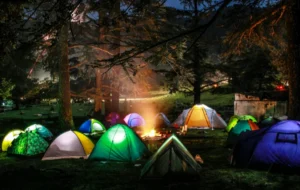
When it comes to outdoor adventures, a camping tent’s waterproof capability can determine whether a trip becomes a comfortable retreat or a soaked disaster. For importers, distributors and outdoor brands, understanding waterproof ratings is essential when selecting reliable products from a camping tent manufacturer.
1. What Are Waterproof Ratings?
Waterproof ratings, typically measured in millimeters (mm), indicate how much water pressure a camping tent fabric can withstand before leaking. For example:
- 1,000–1,500 mm: Light protection — suitable for dry climates and short trips.
- 2,000–3,000 mm: Medium protection — ideal for moderate rain conditions.
- 5,000 mm and above: Heavy-duty protection — designed for harsh weather and extended outdoor stays.
For buyers, these figures serve as a technical benchmark when evaluating camping tents for different regional markets and usage scenarios.
2. Why Waterproof Ratings Matter in Tent Performance
Waterproof ratings directly affect a tent’s durability, usability, and customer satisfaction. A high-quality waterproof tent provides:
- Enhanced comfort: Keeps interiors dry even in prolonged rain.
- Longer lifespan: Fabrics with stronger coatings resist UV damage and degradation.
- Better resale value: Retailers benefit from fewer product returns and higher brand trust.
For camping tent manufacturers, maintaining accurate waterproof performance through quality materials and testing is a mark of professionalism.
3. The Technology Behind Waterproof Fabrics
Top camping tent manufacturers use advanced coating and lamination technologies to achieve reliable waterproofing. The most common include:
- PU (Polyurethane) Coating: Offers affordable waterproofing and flexibility.
- Silicone Coating: Enhances water resistance, tear strength, and UV protection.
- TPU Lamination: A high-end option providing eco-friendly and long-lasting protection.
Modern tents often feature double-layer construction — an outer rainfly and an inner breathable tent — for optimized waterproof and ventilation balance.
4. Seam Sealing: The Hidden Key to Waterproofing
Even the best fabric fails without properly sealed seams. Professional camping tent manufacturers apply heat-taped or welded seams to block potential leakage points. During production, every seam is inspected to ensure consistency and reliability, particularly for export-grade tents.
5. Testing Standards and Quality Assurance
Reliable waterproof testing ensures that the camping tent meets both international outdoor gear standards and market expectations. Common tests include:
- Hydrostatic head test: Measures the exact waterproof rating in mm.
- Rain simulation test: Replicates heavy rain for hours to check for leaks.
- Aging test: Evaluates long-term waterproof retention under UV and humidity exposure.
By maintaining rigorous testing protocols, a professional camping tent manufacturer guarantees performance across all production batches.
6. Matching Waterproof Ratings to Market Needs
Each market has different climate demands — and understanding them helps distributors make smarter purchasing decisions.
- Northern Europe: High demand for 3,000–5,000 mm tents for wet, windy conditions.
- Southern Europe & Australia: Lightweight tents with 1,500–2,000 mm ratings for sunny, mild weather.
- Asia & South America: Dual-season tents with strong ventilation and mid-range waterproofing.
An experienced camping tent manufacturer can adjust materials and coatings based on regional requirements, ensuring product-market fit.
7. How Fairwind Ensures Consistent Waterproof Performance
At Fairwind, we combine advanced fabric coating lines, precision seam-sealing equipment, and strict inspection systems to ensure every piece of our camping tent meets its rated waterproof performance. Our R&D team continually tests new materials and coatings to balance waterproofness, weight, and breathability, helping brands develop products that meet evolving outdoor market demands.
Conclusion
Understanding waterproof ratings isn’t just a technical detail — it’s a strategic decision for any outdoor brand or importer. Partnering with a professional camping tent manufacturer ensures every tent is engineered to perform under real-world conditions, boosting your brand’s reputation and customer satisfaction. If you’re looking for a reliable camping tent manufacturer with experience in OEM and custom waterproof designs, Fairwind Camping provides full-service solutions — from design and material sourcing to production and testing.