

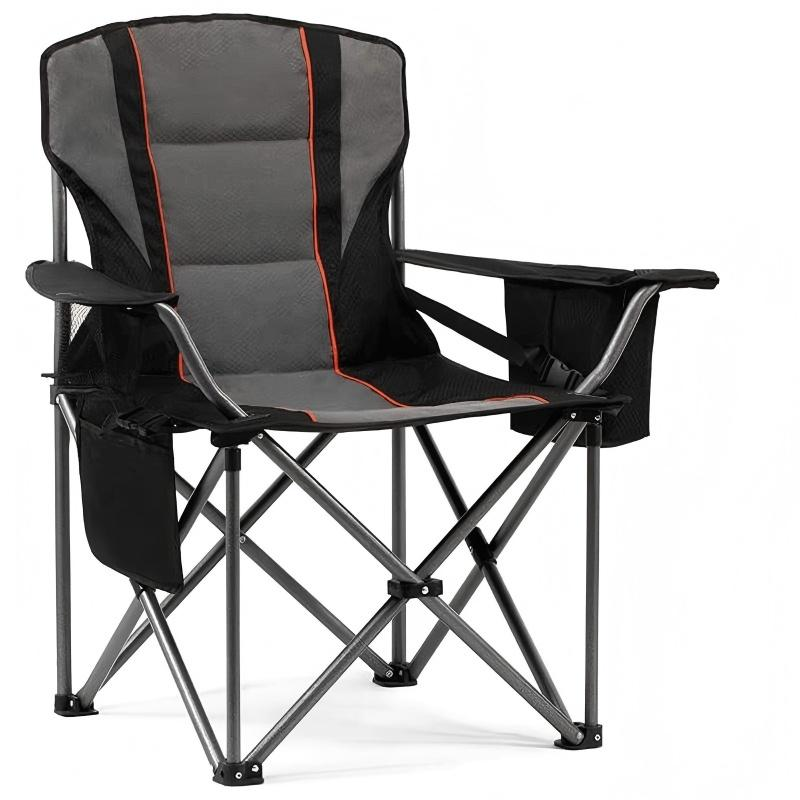
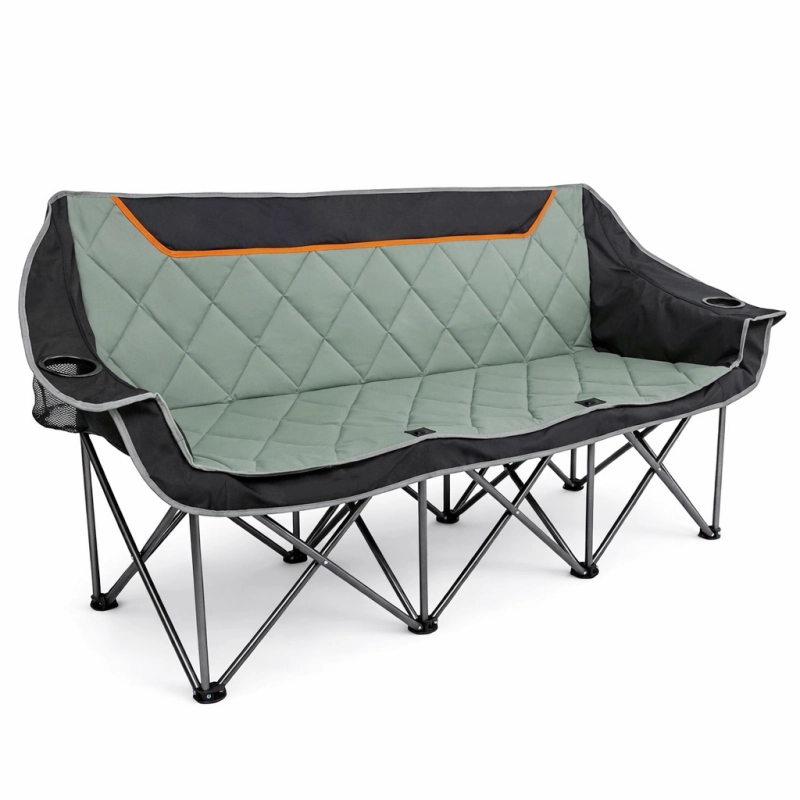
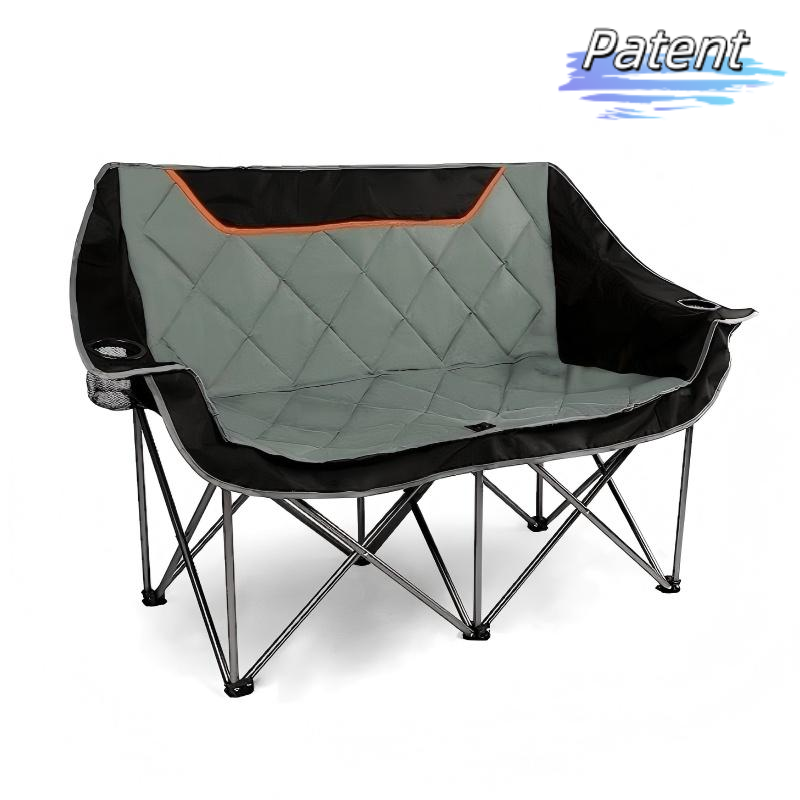
In today’s outdoor market, the debate between heavy duty and lightweight camping chair designs is no longer just about product engineering. It is about consumer behavior, retail channel logic, and category strategy. As camping participation expands, more buyers are entering the market with different expectations: some want portability and compact storage, while others prioritize comfort, stability, and a higher weight capacity. This article examines which type of camping chair sells better by looking at current market trends, buyer segments, usage scenarios, merchandising logic, and product development opportunities. For brands, importers, and distributors, the answer is not simply “heavy duty” or “lightweight,” but which model fits which demand better.
Why This Comparison Matters in the Current Camping Market
The global camping furniture market continues to grow, and chairs and stools account for the largest product share within that category. At the same time, online channels are expanding, which makes product positioning, specification clarity, and visual differentiation even more important for brands and sellers. Recent outdoor participation reports also show that camping remains one of the gateway outdoor activities attracting millions of participants, including more multigenerational users and more new entrants. That matters because a broader customer base creates stronger demand for both portability-oriented chairs and comfort-oriented chairs. (Grand View Research)
In parallel, recent camping and travel trend coverage shows that comfort-led experiences, family outings, and glamping-style expectations are becoming more visible in the market. That tends to benefit oversized, supportive, and premium seating. At the same time, mobility, easy transport, compact folding, and quick setup remain essential for travelers, car campers, event users, and casual outdoor buyers. In other words, the market is growing in two directions at once: convenience and comfort. (Koa)
For an outdoor chair manufacturer, this means the real commercial question is not whether one category should replace the other. The better question is: which one sells better in which channel, for which buyer, and with what product story?
What Is a Heavy Duty Camping Chair?
A heavy duty camping chair is usually designed around stability, durability, wider seat dimensions, and higher load-bearing performance. Compared with lightweight models, it often includes:
- Thicker steel or reinforced aluminum frame
- Higher static and dynamic weight capacity
- Larger seat width and deeper seat depth
- Stronger armrests and cup-holder structure
- More padding or supportive fabric construction
- Higher perceived comfort for longer sitting time
Heavy duty models are commonly associated with products like an oversized camping chair, a director chair, a padded folding chair, or a lounge-oriented seating model. These products often appeal to users who value comfort first and portability second.
From a B2B perspective, heavy duty chairs often create stronger visual value. They look more substantial in catalogs, retail shelves, and ecommerce listings. They also support premium positioning more easily because the customer can immediately see “more material,” “more comfort,” and “more support.”
What Is a Lightweight Camping Chair?
A lightweight camping chair is designed to reduce carry weight, improve folding efficiency, save shipping space, and simplify transportation. It typically emphasizes:
- Aluminum or lighter gauge frame design
- Compact folded size
- Quick open-and-close usability
- Easier carrying for travel, hiking support use, and casual trips
- Better carton efficiency and lower freight impact
- Lower storage burden for consumers
This type of camping chair is often more attractive for consumers who do not want a bulky product in the car trunk, RV compartment, balcony cabinet, or garage. Lightweight models are also especially relevant in value-driven retail programs where shipping, shelf footprint, and fast turnover matter.
In commercial terms, lightweight does not mean low quality. A well-developed lightweight chair can still achieve strong stability, good fabric tension, and an excellent user experience. The key is balancing structural integrity with practical portability.
Heavy Duty vs Lightweight Camping Chair: Core Product Comparison
| Comparison Factor | Heavy Duty Camping Chair | Lightweight Camping Chair |
|---|---|---|
| Weight Capacity | Higher, often designed for broader user range | Moderate, sufficient for mainstream use |
| Comfort | Better for long sitting sessions | Good for short-to-medium duration use |
| Portability | Lower | Higher |
| Folded Size | Usually larger | Usually smaller |
| Frame Feel | Strong, stable, premium | Flexible, mobile, efficient |
| Freight Efficiency | Lower per unit | Better per carton in many cases |
| Retail Visual Impact | Stronger and more premium-looking | Cleaner, simpler, practical |
| Best Use Scenarios | Campsite lounging, tailgating, family camping, events | Travel, beach, casual outdoor use, compact storage |
| Margin Potential | Often stronger in premium programs | Often stronger in volume programs |
| Customer Complaint Risk | Weight and bulk complaints | Support or comfort complaints if underbuilt |
This table shows why the answer to “which sells better” depends heavily on channel strategy. In high-volume retail, lightweight often moves faster. In premium camping, event, and comfort-focused segments, heavy duty usually generates stronger product appeal.
Which One Sells Better in Mass Retail?
In mass retail and broad ecommerce categories, lightweight designs often sell better in terms of pure unit volume. The reason is simple: lower visual complexity, easier shipping, more accessible price points, and wider entry-level appeal. Many first-time buyers are not looking for the most technically advanced camping chair. They are looking for a product that is affordable, easy to carry, and simple to store.
This is especially true for:
- Seasonal retailers
- Entry-level camping programs
- Travel accessory stores
- Beach and picnic categories
- Promotional programs
- Multi-SKU assortment plans with tight price ladders
A lightweight camping chair often performs well when the purchase is casual rather than deeply researched. The consumer sees a foldable chair, acceptable comfort, acceptable weight capacity, and an attractive price. That is enough to convert.
For B2B buyers, this means lightweight chairs can be strong “traffic products.” They may not always deliver the highest margin per piece, but they can support high sell-through in the right price band.
Which One Sells Better in Premium Outdoor Segments?
Heavy duty chairs often sell better in premium outdoor, car-camping, RV, tailgating, and family recreation segments where users spend longer periods seated and care more about comfort. Retailers and brands serving these customers know that many buyers now compare products not only on price, but on comfort, support, size, and durability. Recent camping content from major outdoor sources also reflects strong consumer interest in comfort-focused car-camping gear rather than purely minimalist equipment. (REI)
That is where products like a rocker camping chair, an oversized camping chair, or a padded director chair become commercially powerful. These are not always the lightest products, but they create a stronger “upgrade reason.” The buyer understands immediately why the product costs more.
Heavy duty models often outperform in:
- Outdoor specialty retail
- Premium ecommerce
- Glamping-related assortments
- RV and caravan product ranges
- Family camping bundles
- Event seating and sports sidelines
- Higher-income lifestyle outdoor categories
This does not mean every heavy duty chair wins. It means the category has stronger premium storytelling.
The Role of Use Scenario: Comfort vs Convenience
A camping chair does not sell in a vacuum. It sells through a use scenario. The closer the product story is to the end use, the stronger the conversion.
Lightweight chairs win when the scenario is:
- Easy carry
- Quick day trip
- Compact travel
- Limited trunk space
- Beach outing
- Picnic
- Budget-conscious family purchase
- Entry-level gift purchase
Heavy duty chairs win when the scenario is:
- Long sitting duration
- Campsite relaxation
- Outdoor events
- Fishing or hunting support
- Family base camp
- Tailgate and sports viewing
- Larger body types
- Comfort-first buyers
This is why product naming and merchandising matter. A chair described only as “folding chair” has weak commercial positioning. A chair described as “compact travel camping chair” or “oversized supportive campsite chair” has much better search and conversion logic.
Consumer Search Intent: What Buyers Really Mean
Many online buyers do not search by technical frame terminology. They search by need. That is why related keywords matter so much.
For example:
- best camping chair usually signals broad evaluation intent
- oversized camping chair signals comfort, space, and weight support intent
- rocker camping chair signals comfort, leisure, and experience intent
- 2 person camping chair signals shared seating or novelty seating intent
- custom outdoor chair signals brand program or B2B sourcing intent
For SEO and product page strategy, this means your camping chair content should align product architecture with actual buyer intent. A lightweight chair may rank for packability, portability, or compact folding. A heavy duty chair may rank for support, durability, or oversized comfort. A rocker camping chair should be positioned around experience, relaxation, and campsite comfort rather than pure portability.
Which Features Drive Higher Sell-Through?
Regardless of whether the chair is heavy duty or lightweight, the highest-performing products usually succeed because they combine category basics with a strong differentiator.
Top sell-through drivers for heavy duty chairs
- High visible weight capacity
- Wider seat
- Padded comfort
- Durable armrests
- Cup holder and storage pocket
- Stable frame geometry
- Strong comfort photography
- Premium campsite lifestyle positioning
Top sell-through drivers for lightweight chairs
- Lower product weight
- Smaller packed size
- Carry bag convenience
- Fast folding action
- Clean and simple silhouette
- Competitive pricing
- Easy-to-understand specifications
- Travel-friendly merchandising
In practice, “better selling” often means “easier to explain.” If the product benefit can be understood in three seconds, the conversion potential improves.
Why Oversized and Rocking Styles Get Attention
Two keyword themes stand out in modern camping chair merchandising: comfort and differentiation.
The oversized camping chair category attracts buyers who want roomier seating, broader support, and a more relaxed posture. This is especially attractive in North American family camping and event usage, where users often remain seated for long periods.
The rocker camping chair category attracts buyers who want a more enjoyable campsite experience. It is not just a chair. It feels like an upgrade. That matters in premium positioning because consumers often pay more for experience-led features than for technical claims alone.
For Fairwind’s product range, the Rocking Chair, Moon Chair, and Director Chair lines can naturally support this comfort-upgrade logic. Meanwhile, your standard Camping Chair, Beach Chair, and stool categories are excellent for lightweight and volume-driven programs. This creates a commercially balanced product matrix.
Where Does the 2 Person Camping Chair Fit?
The 2 person camping chair is a niche but commercially useful category. It is not a universal bestseller, but it attracts attention in specific retail and online campaigns because it is visually distinctive and emotionally appealing. It can work well for:
- Couple camping themes
- Family leisure promotions
- Festival and outdoor event seating
- Lifestyle merchandising
- Seasonal marketing campaigns
However, from a pure category scale perspective, a 2 person camping chair usually complements the assortment rather than leading it. It can generate clicks and differentiation, but standard single-seat products still account for the broader market.
For B2B buyers, this means the 2 person camping chair is often a strategic “attention SKU,” not necessarily the highest-volume base SKU.
Product Assortment Strategy: What Actually Sells Better Over Time
The best-performing suppliers do not choose only one side. They build a layered assortment.
Recommended assortment logic
| Product Role | Suggested Chair Type | Main Business Goal |
|---|---|---|
| Volume Driver | Lightweight Camping Chair / Beach Chair / Stool | Fast turnover, entry price, broad appeal |
| Margin Driver | Heavy Duty Chair / Director Chair / Padded Chair | Better margin, premium positioning |
| Image Driver | Rocker camping chair / Moon Chair | Differentiation, lifestyle branding |
| Niche Driver | 2 person camping chair / Kids Chair / Stadium Seat | Campaign support, seasonal variety |
| Professional Driver | Hunting Chair / Director Chair | Targeted use-case selling |
This structure matters because sales success is rarely built on one hero SKU alone. It is usually built on a category system that serves different users and price points.
Heavy Duty vs Lightweight from a B2B Sourcing Perspective
For importers, distributors, and private-label buyers, the question is not just consumer preference. It is sourcing economics.
Heavy duty sourcing advantages
- Easier premium positioning
- Stronger perceived value
- Better feature storytelling
- Often better for branded differentiation
- Suitable for higher-ticket bundles
Heavy duty sourcing challenges
- Higher product weight
- Potentially higher freight cost
- Larger storage footprint
- More attention needed on frame strength testing
Lightweight sourcing advantages
- Better carton loading efficiency
- Easier price competitiveness
- Strong mass-market usability
- Suitable for promotions and volume programs
Lightweight sourcing challenges
- Harder to differentiate visually
- Lower tolerance for structural weakness
- Easier to fall into price competition
- Comfort complaints may rise if design is too minimal
This is where working with an experienced outdoor chair manufacturer becomes important. Good suppliers do not simply lower weight or add steel. They engineer the product around the intended selling channel.
Why Customization Changes the Equation
A standard heavy duty or lightweight model is only the starting point. In real B2B business, the winner is often the chair that can be adapted more effectively.
That is where custom outdoor chair development becomes commercially important. Buyers increasingly want a product that is not just functional, but aligned with their brand position, market, and end-user pricing.
A custom outdoor chair program may include:
- Fabric color customization
- Logo printing
- Frame color selection
- Packaging design
- Weight capacity adjustment
- Size optimization
- Accessory addition
- Use-scenario adaptation
For example, one customer may want a lighter Beach Chair for coastal retail. Another may want a heavier director-style chair for event sales. Another may want a rocker camping chair under a premium lifestyle brand. The ability to customize can turn an ordinary camping chair into a protected product line.
Which Type Wins on Ecommerce?
On ecommerce, both categories can perform very well, but for different reasons.
Lightweight chairs perform well when:
- Price is sharp
- Images clearly show foldability
- Product weight is a strong advantage
- Consumers need easy transport
- Listing copy is simple and benefit-led
Heavy duty chairs perform well when:
- Images clearly show seat width and comfort
- Weight capacity is highlighted
- The product looks visibly more supportive
- Reviews emphasize comfort
- The lifestyle image looks aspirational
A lightweight chair often wins the click through price and practicality. A heavy duty chair often wins the conversion through comfort and perceived quality.
That is why the phrase best camping chair is so competitive. It does not point to one universal answer. It depends on user priorities. For backpack-style mobility, the best option may be lightweight. For campsite lounging, the best camping chair may be a heavier, wider, more supportive design.
How Fairwind Can Position This Category
For Fairwind, this topic is an opportunity to show category depth rather than one-product selling.
Your product range already supports multiple demand paths:
- Camping Chair for general-purpose programs
- Beach Chair for lightweight and leisure-focused retail
- Kids Chair for family assortments
- Hunting Chair for targeted outdoor use
- Rocking Chair for comfort-led premium positioning
- Director Chair for structured, supportive seating
- Moon Chair for relaxed comfort and visual differentiation
- Stool for compact and value-driven needs
- Bungee Chair for casual lifestyle comfort
- Stadium Seat for event and spectator applications
This is commercially valuable because many buyers are not looking for one single answer. They are looking for a supplier that understands category segmentation.
An outdoor chair manufacturer that can provide lightweight volume SKUs, heavy duty premium SKUs, and custom outdoor chair solutions will usually be more attractive than a supplier offering only one narrow product type.
So, Which Sells Better?
The most accurate answer is this:
- Lightweight camping chair models usually sell better in unit volume.
- Heavy duty camping chair models usually sell better in premium value and margin.
- Comfort-led differentiated styles such as rocker camping chair and oversized camping chair often sell better when the buyer wants an upgrade.
- Niche products like 2 person camping chair work best as assortment enhancers, not mass-volume replacements.
- The best camping chair from a business perspective is the one matched correctly to the channel, customer segment, and price architecture.
So if the question is “which sells better overall,” lightweight probably wins in broad-market volume. But if the question is “which creates stronger product value and more defensible positioning,” heavy duty often wins.
The smartest strategy is not choosing one side only. It is building a chair range that covers both.
FAQs
Is a heavy duty camping chair always better than a lightweight model?
No. A heavy duty camping chair is better for comfort, stability, and longer sitting sessions, but a lightweight model is often better for portability, compact storage, and mass-market retail.
Which camping chair type is better for ecommerce?
Both can work well. Lightweight chairs often perform better in entry-level price-driven listings, while heavy duty chairs often perform better when comfort, weight capacity, and premium visuals are the main selling points.
Why is the oversized camping chair segment important?
The oversized camping chair segment appeals to users who want more room, more support, and more comfort. It often supports stronger premium pricing than basic entry-level chairs.
Is a rocker camping chair practical or just a novelty?
A rocker camping chair is practical for car camping, tailgating, RV use, and campsite lounging. It adds comfort and experience value, which is why it performs well in premium assortments.
Does a 2 person camping chair sell in large volumes?
Usually not at the same scale as single-seat products. A 2 person camping chair is more often a niche or promotional category that adds assortment variety and visual differentiation.
What should importers look for in an outdoor chair manufacturer?
They should look for stable quality control, frame engineering ability, customization support, test reliability, packaging flexibility, and strong experience across multiple chair categories. A capable outdoor chair manufacturer should also support custom outdoor chair development for different markets and channels.
Conclusion:
Heavy duty and lightweight seating are both important in today’s camping chair market, but they win for different commercial reasons. Lightweight products usually have an advantage in accessibility, freight efficiency, and broad sell-through, while heavy duty models are stronger in comfort, premium storytelling, and perceived value. For brands and importers, the real growth opportunity comes from balancing both ends of the assortment and matching each product to the right user scenario. At Fairwind, we understand that successful outdoor seating programs depend on category planning, smart customization, and reliable production. Explore Fairwind’s homepage, learn more about our factory capabilities, review our project cases, or contact us to discuss your next outdoor chair program.
