
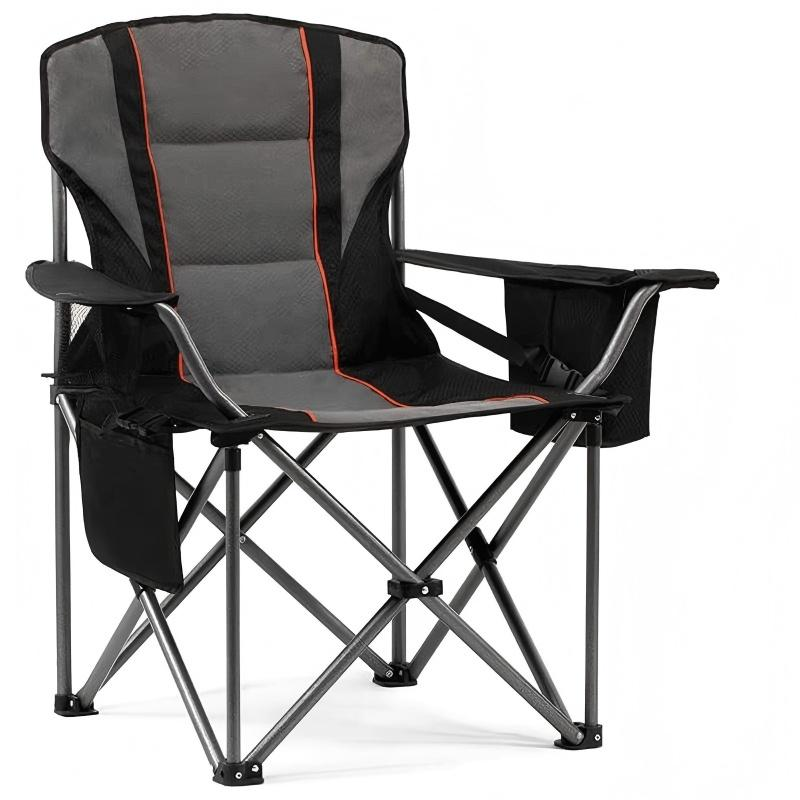
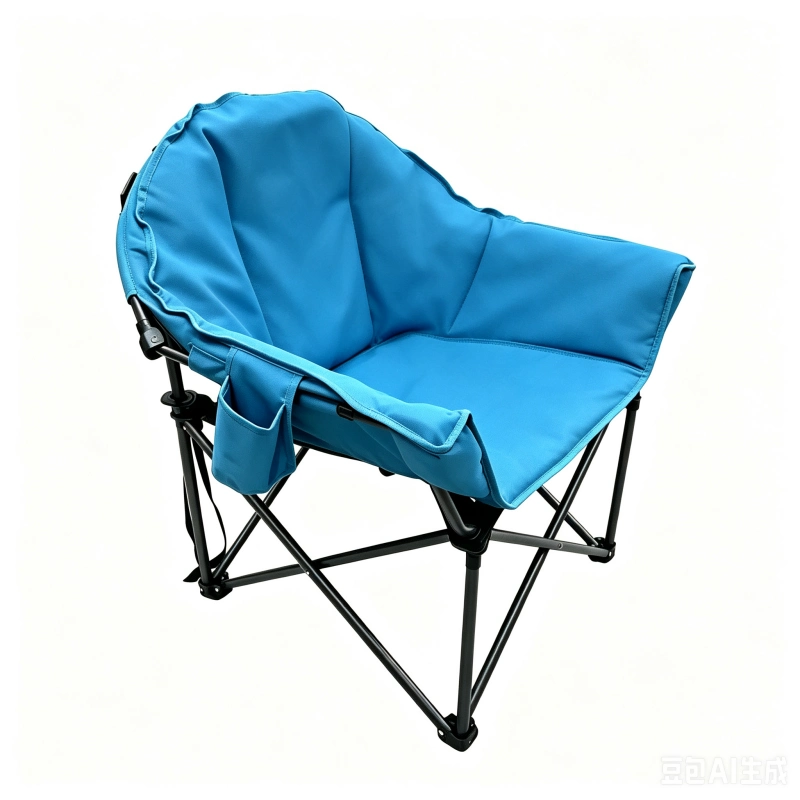
As the outdoor recreation market shifts toward sustainability and operational convenience, North American retail shelves are undergoing a significant evolution. US family camping trends highlight a rapid migration toward instant-setup gear, with inflatable and pop-up tents capturing market share among outdoor enthusiasts. Simultaneously, eco-friendly materials in camping chair production—including RPET fabrics, bio-composites, and low-impact aluminum—are becoming essential procurement standards. Navigating these commercial shifts requires aligning with an experienced camping tent manufacturer. With robust manufacturing capabilities and certified supply chains, a leading camping tent manufacturer provides the engineering, customization, and quality control necessary to capitalize on these high-growth B2B retail opportunities.
US Family Camping Trends: The Rise of Inflatable & Pop-Up Tents
The American family camping market is experiencing a profound demographic shift. Modern outdoor consumers prioritize quick setup, ergonomic comfort, and hassle-free teardowns. Recent retail data indicates that over 60% of suburban family campers rank setup speed as their decisive purchasing factor. Consequently, traditional multi-pole tents are making way for advanced inflatable air-beam structures and instant pop-up models.
Retail buyers are actively restructuring inventory to showcase instant-pitch camping gear. Inflatable tents feature TPU air columns inflated via high-pressure pumps, eliminating complex pole assembly while offering superior storm resistance. Concurrently, pop-up tents with pre-attached spring-steel frames provide instant deployment for weekend getaways. Partnering with a skilled camping tent manufacturer ensures structural stability, seam integrity, and compliance with US flammability standards.
Eco-Friendly Materials in Camping Chair & Tent Production
Sustainability has evolved from a niche preference to a core commercial baseline for major retail chains. Outdoor brands now prioritize materials that lower carbon emissions without sacrificing field durability.
In modern outdoor equipment manufacturing, petroleum-based synthetics are being systematically replaced:
-
RPET (Recycled Polyester): Post-consumer plastic bottles are transformed into high-density oxford weave, reducing carbon footprints by up to 45%.
-
PFC-Free DWR Coatings: Eliminating fluorocarbons ensures water repellency while preventing toxic environmental persistence.
-
Eco-Anodized Aluminum Framing: Recycled aluminum alloy frames processed with closed-loop anodization offer strength while minimizing industrial chemical discharge.
Collaborating with a certified Camping tent Factory allows global buyers to verify material origins through GRS (Global Recycled Standard) and OEKO-TEX certifications.
Comprehensive Product Comparison for Retail Buyers
To support retail inventory planning, the table below highlights key performance and commercial metrics across popular tent categories:
| Feature / Metric | Inflatable Tents (Air Beam) | Instant Pop-Up Tents | Traditional Pole Tents |
| Setup Time | 2 – 5 Minutes | 10 – 30 Seconds | 15 – 30 Minutes |
| Target Audience | Family & Glamping Markets | Casual & Weekend Campers | Backcountry & Technical Campers |
| Wind Resistance | Excellent (Flexes under pressure) | Moderate (Ideal for fair weather) | Good (Dependent on pole specs) |
| Frame Technology | Durable TPU Air Beams | Spring-Steel / Fiberglass Hubs | Aluminum or Fiberglass Poles |
| Eco-Material Options | High (RPET & PFC-Free DWR) | Moderate (Standard Polyester) | High (Recycled Synthetics) |
| Retail Profit Margin | Premium (45% – 60%) | Volume Driver (35% – 50%) | Standard (30% – 40%) |
| OEM Customization | Flexible air valves & layouts | Custom prints & compact sizing | Standardized specifications |
Selecting a reliable Camping tent OEM enables private-label brands to tailor features, dimensions, and fabric weights to specific regional market demands.
Why Inflatable and Pop-Up Tents Dominate Retail Shelves
Three key commercial factors explain why inflatable and pop-up tents dominate retail floor space:
-
Consumer Accessibility: Instant setup lowers entry barriers for novice campers and busy families.
-
Enhanced Point-of-Sale Appeal: Interactive retail displays featuring air-beam inflation attract high store foot traffic.
-
Higher Unit Margins: Premium instant tents command higher price points, maximizing revenue per square foot for retailers.
To consistently deliver a Top-Quality Camping tent, a qualified camping tent manufacturer enforces strict quality assurance, including 24-hour inflation pressure testing, hydrostatic head water testing, and reinforced stress-point stitching.
Maximizing Growth via Professional OEM Sourcing
For outdoor brands seeking market expansion, supply chain agility and regulatory compliance are critical. Engaging a proficient camping tent manufacturer with full contract manufacturing capability streamlines the process from initial CAD modeling to mass production.
Key B2B manufacturing advantages provided by a camping tent manufacturer include:
-
Sourcing GRS-certified eco-friendly textiles and eco-dyes.
-
Custom mold production for valves, hubs, and chair connectors.
-
Comprehensive compliance testing (CE, REACH, CPAI-84).
-
Optimized flat-pack packaging that lowers overseas shipping costs.
By partnering with an established camping tent manufacturer, outdoor businesses can successfully deliver innovative, sustainable, and high-margin products to North American retail networks.
FAQs
What makes inflatable tents perform well in heavy winds?
Inflatable tents utilize flexible TPU air beams instead of rigid poles. In gusty conditions, air beams deflect wind energy without snapping, returning to their original shape immediately after gusts pass.
How do eco-friendly fabrics compare in durability to traditional materials?
High-tenacity RPET fabrics provide equivalent tensile strength, tear resistance, and UV stability compared to virgin polyester, delivering long service life without compromising eco-credentials.
Why is partnering with a Camping tent OEM essential for US retail standards?
Working with an experienced Camping tent OEM ensures all products satisfy strict North American regulations, including CPAI-84 fire resistance, California Prop 65 safety limits, and REACH standards.
What is the standard lead time when ordering from a Camping tent Factory?
Typical manufacturing lead times at a certified Camping tent Factory range between 30 and 45 days post-sample approval, encompassing material preparation, automated cutting, seam sealing, and QC inspection.
Can custom eco-friendly camping chairs and tents be customized for low MOQ orders?
Yes, progressive manufacturers support flexible minimum order quantities (MOQs) for eco-friendly product lines, helping B2B clients test sustainable products in target markets with minimized financial exposure.
Conclusion
The fusion of eco-friendly material innovation and rapid-setup tent engineering defines the future of the outdoor retail sector. As US families seek convenient and environmentally responsible gear, retailers must adapt by sourcing high-performing products. Achieving market leadership requires a strong partnership with a reliable camping tent manufacturer. By leveraging advanced manufacturing technology, rigorous product testing, and eco-certified supply chains, outdoor brands can capture consumer demand and drive sustained commercial success.