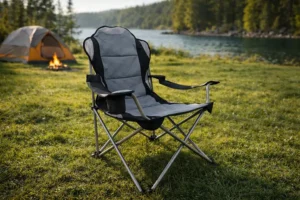
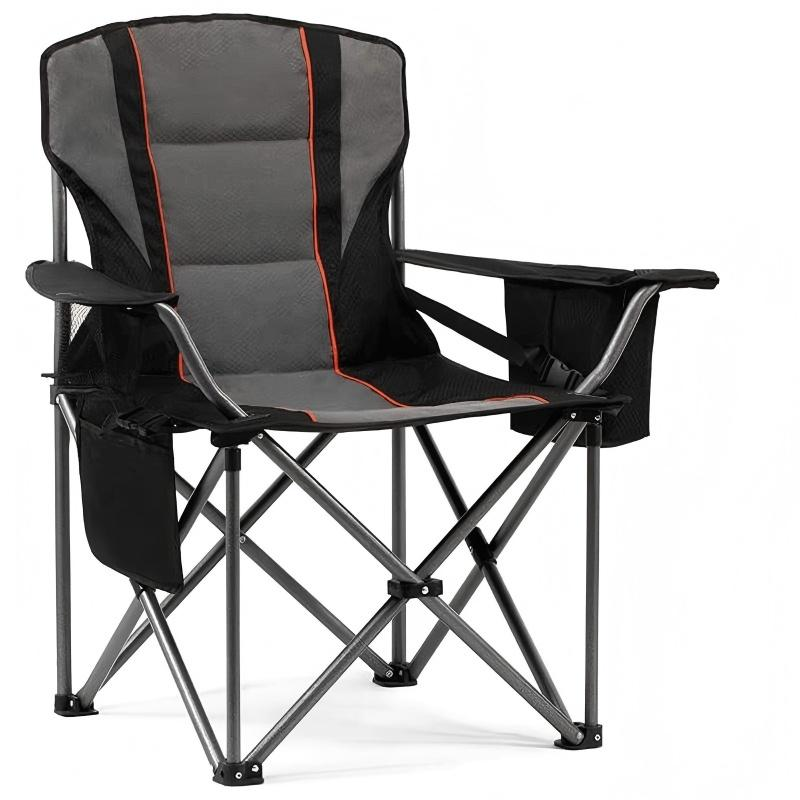
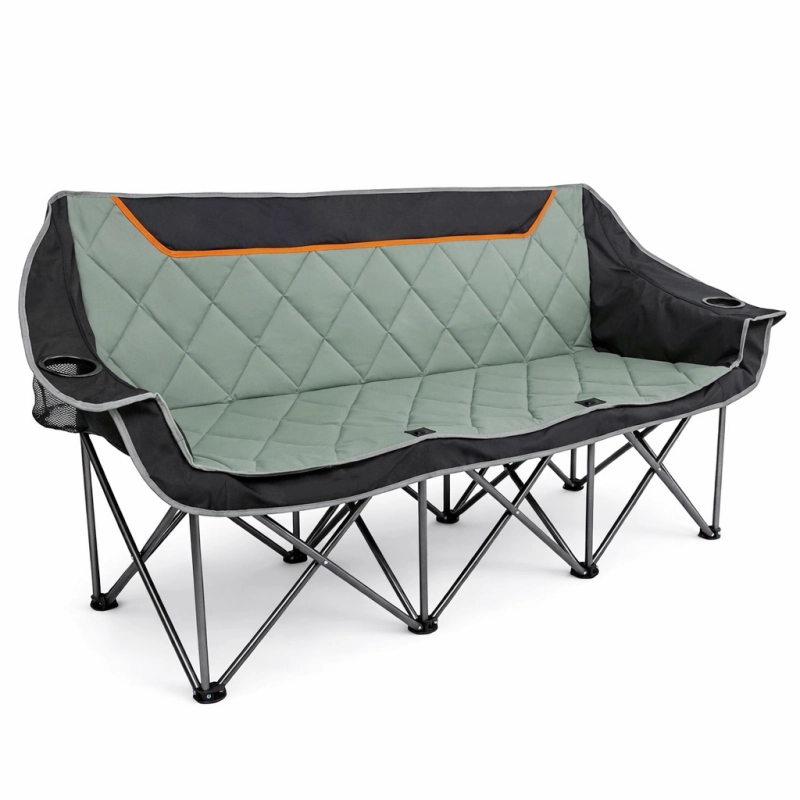
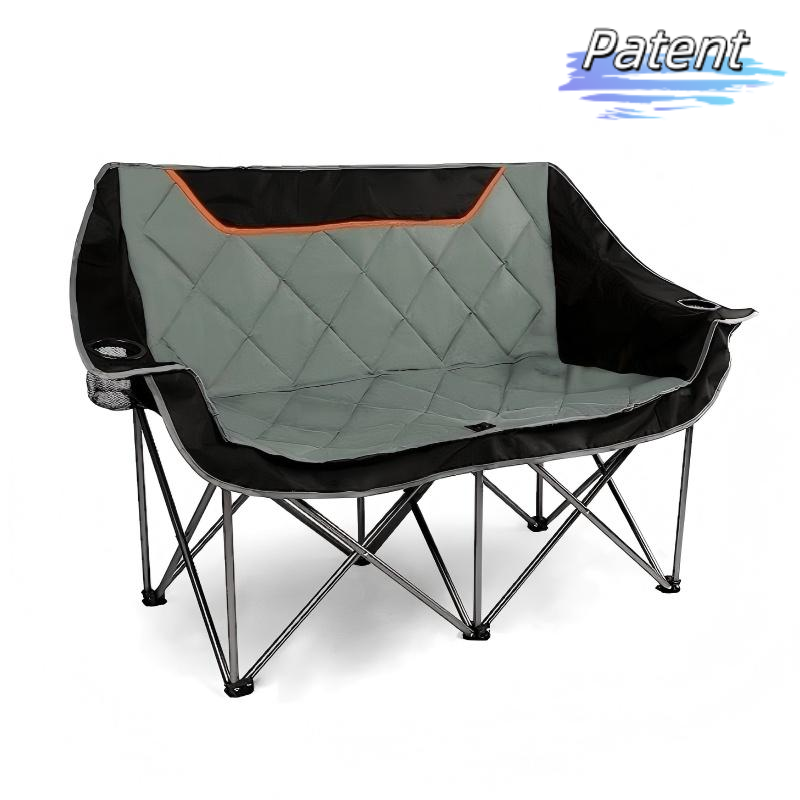
The global outdoor furniture market is undergoing a structural shift, and the camping chair industry is no exception. While product categories such as camping tents and backpacks often receive more attention in innovation discussions, camping chairs are increasingly becoming a focal point for technological optimization, particularly through the adoption of artificial intelligence (AI).
For B2B buyers, brand owners and sourcing professionals, AI is no longer a vague concept reserved for tech companies. It is actively reshaping how a camping chair manufacturer, OEM camping chair supplier or outdoor folding chairs factory designs products, manages production, controls costs and responds to market demand.
AI and the Evolution of Camping Chair Design
Traditionally, camping chair design relied heavily on experience, manual prototyping and incremental improvements based on past bestsellers. Today, AI-assisted design tools are changing this approach by introducing data-driven decision-making into product development.
Structural Optimization Through AI Modeling
Modern camping chairs must balance multiple performance requirements like lightweight construction, load capacity, stability, folding efficiency and long-term durability. AI-powered simulation tools allow manufacturers to test thousands of structural variations digitally before physical sampling begins.
For a custom camping chair project, this means:
- Optimized folding geometry to reduce packed size
- Better weight-to-strength ratios for aluminum or steel frames
- Reduced failure points in joints and connectors
For B2B buyers, the result is a more reliable and technically validated product, rather than one developed purely through trial and error.
AI-Enhanced Ergonomic Design
Ergonomics has become a major purchasing factor, especially for premium outdoor and leisure brands. AI can analyze large datasets related to posture, body pressure distribution and seating angles, helping manufacturers refine:
Backrest recline angles
Seat depth and tension distribution
Armrest positioning for prolonged use
This allows an OEM camping chair supplier to offer designs that align more closely with end-user comfort expectations across different markets.
Compact Folding Structures and Shipping Cost Reduction
One of the most immediate and measurable impacts of AI in the camping chair industry is its role in reducing logistics and shipping costs.
Folding Structure Simulation and Optimization
AI can simulate multiple folding paths and structural configurations to determine how a chair collapses into its most compact form. This is particularly important for:
- Bulk camping chairs
- Cross-border e-commerce fulfillment
- High-volume retail distribution
By optimizing folding structures, manufacturers can significantly reduce carton size, CBM (cubic meter) per unit and container dead space. For B2B buyers, this translates directly into lower landed costs.
AI-Driven Packaging and Container Loading Analysis
Advanced algorithms are now used to calculate optimal packing ratios for different chair models. An experienced outdoor folding chairs manufacturer using AI tools can provide:
- More accurate container loading plans
- Clear comparisons between packaging options
- Data-backed recommendations to reduce freight expenses
This capability is especially valuable for buyers managing multiple SKUs or seasonal volume spikes.
AI in Camping Chair Manufacturing and Quality Control
AI adoption is also reshaping factory-level operations, leading to a new tier of high-performance camping chair manufacturers.
Production Efficiency and Consistency
In modern factories, AI-assisted systems are increasingly used for:
- Automated fabric cutting optimization
- Welding consistency monitoring
- Frame alignment verification
- Early detection of structural defects
These systems help reduce production variance, ensuring that bulk orders of OEM camping chairs maintain consistent quality from the first unit to the last.
For B2B buyers, this means fewer quality disputes, lower return and defect rates, greater confidence in long-term supply partnerships.
Predictive Maintenance and Capacity Planning
AI can also analyze machine performance data to predict maintenance needs and production bottlenecks. This improves:
- On-time delivery performance
- Capacity planning for peak seasons
- Responsiveness to urgent or repeat orders
Reliable delivery is often just as important as price when selecting a camping chair manufacturer, especially for brands with strict launch timelines.
Market Intelligence: AI as a Demand Forecasting Tool
Beyond design and production, AI is playing a growing role in market analysis and demand forecasting in camping chair industry.
Understanding B2B Search and Purchase Trends
By analyzing search behavior, sales data and regional preferences, AI helps manufacturers identify trends on market demand and preference. This allows proactive suppliers to prepare custom camping chair solutions before buyers even initiate inquiries.
Faster Response to Buyer Requirements
Manufacturers using AI-driven insights can respond more quickly with relevant product recommendations, cost-optimized structure options and market-specific design suggestions. For buyers, this creates a more strategic supplier relationship rather than a purely transactional one.
What AI Means for B2B Buyers and Outdoor Brands
From a B2B perspective, the real impact of AI is not about technology itself, but about capability differentiation. In the coming years, the gap will widen between manufacturers who use AI to improve design, efficiency and cost control and those factories that continue relying solely on manual processes
For sourcing managers, brand owners and importers, this means supplier evaluation criteria will evolve. Beyond price and MOQ, buyers will increasingly assess:
- Structural optimization capability
- Packaging and logistics efficiency
- Speed of custom development
- Data-backed cost transparency
Choosing the right OEM camping chair supplier will become a strategic decision that directly affects competitiveness in retail, wholesale, and e-commerce channels.
Conclusion: AI as a Long-Term Advantage in the Camping Chair Industry
AI is not a short-term trend in the camping chair industry. It is becoming a foundational tool that reshapes how products are designed, manufactured, shipped and positioned in global markets.
For camping chair manufacturers, AI offers a path toward higher efficiency, better product performance, and stronger B2B partnerships.For buyers and brands, working with AI-enabled suppliers means gaining access to smarter designs, lower logistics costs, and more predictable supply chains.
In an increasingly competitive camping chair industry, AI is no longer optional—it is a defining factor in long-term sourcing success.