Abstract:
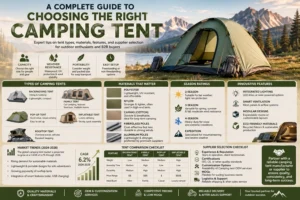
Choosing the right camping tent is crucial for outdoor enthusiasts and businesses alike. A reliable camping tent ensures safety, comfort, and durability in all conditions. For B2B buyers, partnering with a trustworthy camping tent manufacturer is essential to source high-quality products at competitive prices. This guide explores different types of tents, materials and features, while analyzing market trends and supplier options. By understanding industry standards and innovations, businesses can make informed decisions and maximize ROI when sourcing from a camping tent factory or engaging in camping tent OEM partnerships.
Understanding Your Needs Before Order Camping Tents
Before placing an order, it’s vital to understand your target clients and their specific requirements. Different outdoor activities demand different tent features. For instance, hikers prioritize lightweight and compact tents, while family campers need spacious, easy-to-assemble designs. As a camping tent manufacturer, we recommend analyzing the following factors:
- Capacity:Number of users and gear storage space.
- Weather Resistance:Waterproof rating, UV protection and wind stability.
- Portability:Weight and packed size for transport.
- Setup Complexity:Freestanding vs. non-freestanding structures.
By defining these parameters, B2B buyers can communicate clearly with a camping tent supplier to ensure the products meet end-user expectations.
Types of Camping Tents
Choosing the right type of tent affects both user experience and sales performance for resellers. Below is a detailed overview:
| Tent Type | Best Use Case | Advantages | Considerations |
| Backpacking Tent | Hiking and trekking | Lightweight, compact | Limited interior space |
| Family Tent | Car camping, festivals | Spacious, multiple rooms | Heavier, bulkier to transport |
| Pop-Up Tent | Quick setup, casual camping | Easy to set up, user-friendly | Less durable in harsh weather |
| Inflatable Tent | Luxury camping | Sturdy, quick assembly | Requires pump, heavier |
| Rooftop Tent | Overland travel, vehicles | Elevated sleeping, off-ground protection | More expensive, vehicle-dependent |
Partnering with a reputable camping tent manufacturer or camping tent supplier ensures access to diverse designs that fit these categories and meet quality standards.
Key Materials Used in Camping Tents
Material choice significantly impacts a tent’s durability, weight and weather resistance. Here’s a breakdown:
- Polyester:Lightweight, UV-resistant, and affordable.
- Nylon:Stronger and lighter than polyester, often used in high-end tents.
- Canvas (Cotton):Durable and breathable, ideal for long-term camping.
- Fiberglass Poles:Cost-effective but less durable in strong winds.
- Aluminum Poles:Lightweight and stronger, preferred for premium professional camping
When sourcing from a camping tent OEM, verify the material specifications and certifications to guarantee compliance with international safety and quality standards. If you don’t know exactly about what kind of material is the most suitable, feel free to ask the supplier.
Weather Resistance and Season Ratings
Tents are classified based on the seasons they can withstand:
- 2-Season Tents:Suitable for fair weather; light rain protection.
- 3-Season Tents:Versatile for spring, summer and fall; moderate wind resistance.
- 4-Season Tents:Heavy-duty for snow and extreme conditions.
- Expedition Tents:Specialized for mountaineering and severe weather.
A professional tent supplier like us can provide technical sheets and wind/rain testing data, assisting buyers in selecting the right products for their target market.
Weight and Portability Considerations
Weight is a critical factor for hikers, backpackers and outdoor enthusiasts. Lightweight tents often use high-tech materials and minimal poles, while family or luxury tents prioritize comfort over portability. When evaluating a camping tent manufacturer, ensure they offer a range of lightweight and heavy-duty options to cater to various customer needs.
Innovative Features in Modern Camping Tents
The outdoor industry has evolved rapidly, with new features improving user experience:
- Integrated Lighting:LED strips or solar-powered options.
- Smart Ventilation:Mesh panels and airflow systems for temperature control.
- Modular Designs:Expandable rooms or customizable layouts.
- Eco-Friendly Materials:Recycled fabrics and sustainable production.
A forward-thinking camping tent factory often emphasizes these innovations, making them attractive to eco-conscious and tech-savvy buyers.
Supplier Selection: Finding a Reliable Partner
Choosing the right camping tent supplier or camping tent manufacturer is critical for B2B success. Consider the following criteria:
- Experience and Reputation:Years in operation and client testimonials.
- Certifications:ISO, CE, or other quality standards.
- Customization Options:Availability of Camping tent OEM services.
- Minimum Order Quantities (MOQs):Flexible for scaling business needs.
- Logistics and Support:Reliable shipping, after-sales service, and technical support.
Comparing suppliers using these factors helps ensure quality, reduce risk and improve profit margins.
Market Trends in Camping Tents
According to recent outdoor industry reports, the camping tent market is projected to grow at a CAGR of 6.2% through 2028. Key trends include:
- Growing demand for sustainable and eco-friendly materials.
- Increased interest in lightweight and portable designs for solo adventurers.
- Rising popularity of rooftop tents for vehicle-based travel.
- Integration of smart features like solar panels and USB charging ports.
A reliable tent supplier or camping tent OEM can offer insights and products aligned with these trends, giving businesses a competitive edge.
Product Comparison Checklist
| Feature | Backpacking Tent | Family Tent | Pop-Up Tent | Inflatable Tent |
| Weight | Low | Medium | Medium | High |
| Assembly Time | Medium | High | Low | Low |
| Durability | Medium | High | Medium | High |
| Price Range | $$ | $$$ | $ | $$$$ |
| Ideal Buyer | Hiker | Family | Casual | Luxury camper |
Using such comparison tables helps buyers make faster, data-driven decisions when sourcing from a camping tent factory or tent manufacturer.
FAQs
Q1: How do I choose the right camping tent manufacturer?
Look for experience, certifications, product quality and customization capabilities. Partnering with a trusted Camping tent Factory ensures consistent supply and compliance with standards.
Q2: What is the difference between a tent supplier and a camping tent OEM?
A tent supplier may only sells pre-made tents, while a Camping Tent OEM offers custom designs and branding for businesses.
Q3: Are lightweight tents durable enough for regular use?
Yes, high-quality materials like ripstop nylon and aluminum poles make lightweight tents both portable and durable. Verify specifications with your tent manufacturer.
Q4: Can I get eco-friendly tents from camping tent suppliers?
Absolutely. Many camping tent factories now use recycled fabrics and sustainable production methods to meet growing market demand.
Q5: What’s the typical lead time when ordering from OEM Camping tent?
Lead times vary but usually range from 5 to 8 weeks, depending on customization and order volume.
Conclusion
Selecting the right camping tent requires understanding user needs, materials, tent types and supplier reliability. Partnering with a reputable camping tent manufacturer that providing camping tent OEM service, ensures high-quality products and efficient supply chains. Market trends favor lightweight, eco-friendly and feature-rich tents, making innovation a key consideration. Using comparison tools, data analysis and industry insights enables businesses to choose the most suitable tents and suppliers. By prioritizing quality, sustainability and design, companies can boost customer satisfaction and drive growth in the competitive outdoor market.