
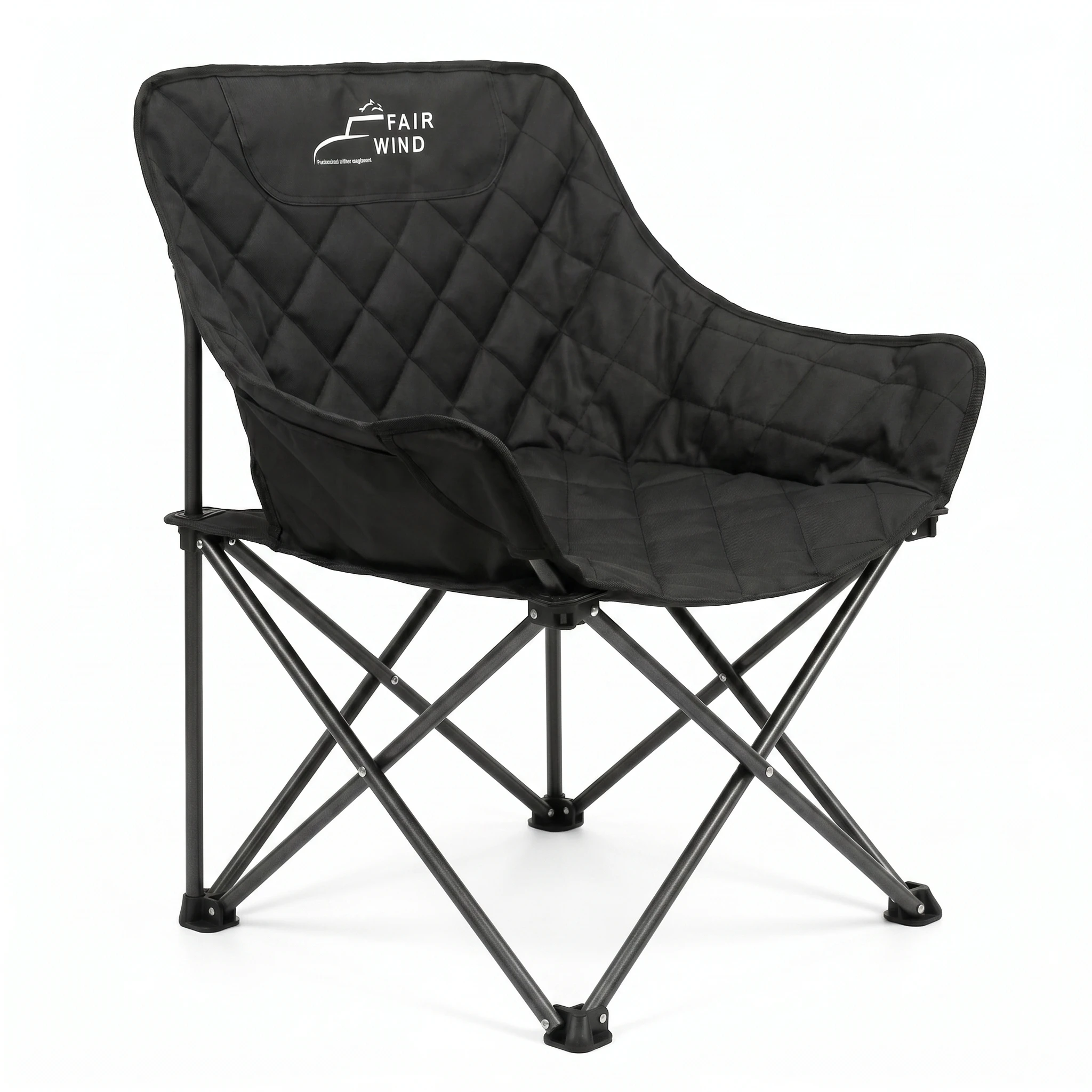
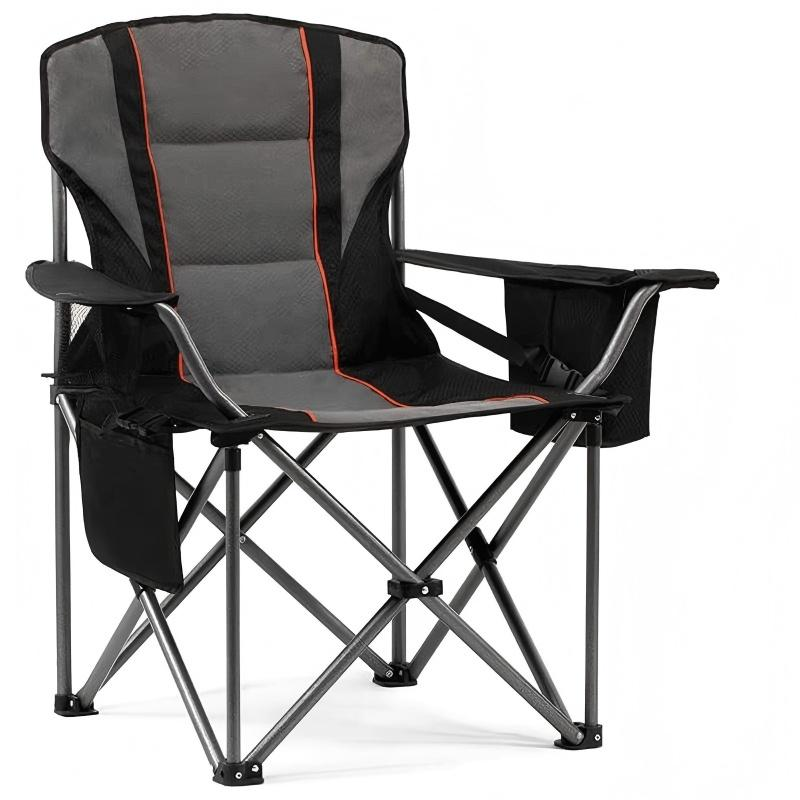
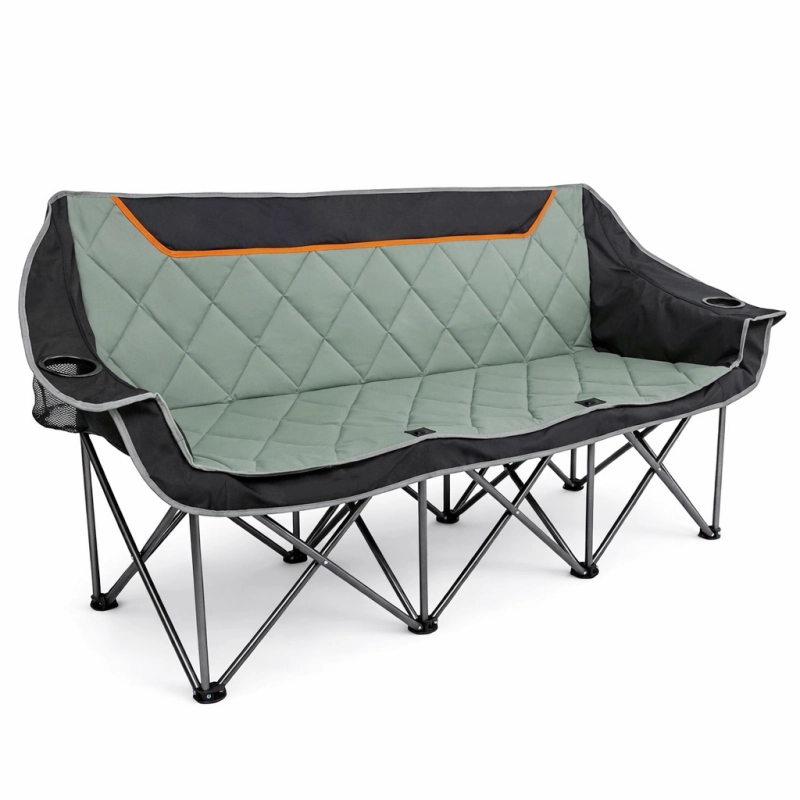
Choosing the right camping chair frame material is a strategic decision for importers, wholesalers, retailers, and private-label outdoor brands. Aluminum and steel are the two most common frame options, yet they serve different business goals. Aluminum usually supports lightweight, corrosion-resistant, and premium-positioned products, while steel often delivers stronger value in cost-sensitive, heavy-duty, and high-volume programs. As outdoor participation and camping-related demand continue to stay resilient, buyers are paying closer attention to logistics efficiency, long-term durability, and market segmentation. This article compares aluminum and steel from a B2B perspective, covering cost, durability, maintenance, product development, and market fit for modern outdoor collections. (oia.outdoorindustry.org)
Introduction
For any brand building a competitive outdoor collection, selecting the right camping chair material is not a minor technical choice. It influences product weight, shipping efficiency, corrosion resistance, retail positioning, and even customer satisfaction. In the current outdoor market, buyers are no longer looking only at entry price. They are also evaluating portability, product lifespan, comfort expectations, and whether a chair fits changing consumer behavior around family camping, wellness travel, and multi-purpose outdoor living. Recent industry reports show continued growth in outdoor participation, expanding camping demand, and rising interest in experience-driven, comfort-oriented products. (oia.outdoorindustry.org)
That is why the comparison between aluminum and steel has become increasingly important. Both materials are widely used in the camping chair industry, but each supports a different commercial logic. Aluminum often suits portable, travel-friendly, and higher-end collections. Steel often works better for value-focused, sturdy, and large-volume programs. For a buyer working with a camping chair manufacturer or a sourcing team inside a camping chair company, the best answer is rarely about which material is universally better. The real question is which material fits the target market, price band, and use scenario more effectively.
This article follows a B2B decision-making approach. It compares aluminum and steel across performance, cost, logistics, comfort, maintenance, sustainability, and application fit. It also connects these material choices to product categories such as standard Camping Chair, Beach Chair, Kids Chair, Hunting Chair, Rocking Chair, Director Chair, Moon Chair, stool, Bungee Chair, and Stadium Seat, helping buyers build a more targeted product line.
What Are Aluminum and Steel Camping Chair Frames?
Aluminum Camping Chair Frames
An aluminum-frame camping chair is typically designed for lower weight, easier portability, and stronger resistance to rust in outdoor conditions. Aluminum does not contain iron, so it does not rust in the same way as ordinary carbon steel. That makes it especially attractive for beach programs, coastal markets, humid climates, and premium portable seating.
From a commercial perspective, aluminum is often used when a buyer wants to position a camping chair as lightweight, modern, and travel-friendly. It is especially common in compact folding products, backpack-friendly models, premium beach seating, and some reclining or portable leisure chairs. For example, a lightweight Beach Chair or portable Director Chair is often a strong candidate for aluminum construction because portability and corrosion resistance matter more in these segments.
Steel Camping Chair Frames
A steel-frame camping chair is typically associated with sturdiness, cost control, and a solid sitting feel. Steel remains one of the most common choices in outdoor furniture and outdoor seating because it can support robust structures at a competitive cost. It is widely used in value-oriented folding products, heavy-duty seating, event chairs, and high-capacity models.
In sourcing practice, steel is often preferred when a buyer wants to balance strength perception and cost. It fits high-volume retail programs, supermarket channels, promotional orders, and standard-purpose seating where freight weight is less critical than factory cost. A Hunting Chair, Moon Chair, Bungee Chair, or entry-level folding camping chair may often use steel effectively when the commercial focus is durability at a reasonable price.
Aluminum vs Steel Camping Chair: Key Comparisons
Weight and Portability
Weight is one of the clearest differences between aluminum and steel. Aluminum is much lighter by nature, which makes an aluminum camping chair easier to carry, easier to pack, and often less expensive to ship per unit when total freight is calculated by gross weight. This advantage becomes especially important in export business, e-commerce fulfillment, and portable product categories.
For instance, if a buyer is developing a travel-friendly Beach Chair, a portable stool, or a premium compact folding camping chair, aluminum can improve the product story significantly. In markets where consumers prioritize convenience, vehicle space, and lightweight handling, aluminum often offers better market appeal.
Steel, however, can still be competitive when portability is not the first priority. In car camping, event seating, stadium accessories, and large-format leisure products, users may value a stable, grounded sitting feel more than a lighter carry weight. In those cases, a steel camping chair may actually feel more substantial to the end customer.
Durability and Structural Strength
Many buyers assume steel is always more durable, but the more accurate answer is that durability depends on material, tube thickness, frame geometry, joint construction, and finishing quality together. Steel generally offers a stronger heavy-duty image and can perform very well in high-load designs. However, a well-engineered aluminum camping chair can also achieve excellent performance when the structure is optimized.
This is particularly important for professional sourcing teams. Material choice alone should never replace testing data. A camping chair manufacturer should be able to provide information such as weight capacity, tube dimensions, frame wall thickness, static load testing, and cycle testing. In B2B development, those engineering details are often more meaningful than simply stating “steel” or “aluminum.”
A Hunting Chair or Director Chair designed for higher perceived support may lean toward steel in value-heavy programs. A premium Beach Chair or portable Rocking Chair may lean toward aluminum if the design goal is to combine comfort with lightweight mobility.
Corrosion and Weather Resistance
Corrosion resistance is where aluminum usually gains a clear advantage. Because aluminum does not rust like ordinary steel, it is often easier to maintain in wet or salty environments. For beach-facing sales channels, waterfront retail, humid climates, or outdoor resorts, aluminum gives buyers a stronger long-term performance story.
Steel can still perform well outdoors, but it depends heavily on coating systems such as powder coating or other anti-corrosion treatments. If the coating is scratched, worn, or damaged over time, the frame can become more vulnerable. That means steel is not a poor choice, but it requires more attention to finish quality and after-sales expectations.
For a camping chair company targeting coastal lifestyle products, aluminum can reduce warranty risk and strengthen premium positioning. For inland, dry-climate, or cost-focused programs, treated steel may still provide strong value.
Weight Capacity and Load Performance
In many standard product lines, steel allows buyers to achieve a high load-bearing impression at a competitive cost. This is one reason steel remains common in Moon Chair, Bungee Chair, and standard leisure camping chair collections. Consumers often associate steel with sturdiness, which can help with sales messaging in mass retail environments.
That said, aluminum should not be underestimated. If the frame uses the right structural design, reinforced joints, and proper tube specifications, an aluminum camping chair can also reach strong weight-capacity targets. Buyers should avoid oversimplifying the comparison. The best sourcing decision comes from balancing engineering requirements with commercial goals.
Cost and Pricing Differences
From a pure frame-material perspective, steel is often more cost-effective for entry-level and mid-range mass programs. This makes steel attractive in large-volume sourcing, especially when a buyer is supplying supermarkets, discount chains, promotional orders, or broad wholesale channels.
Aluminum usually comes with a higher material cost, and depending on design complexity, it may also increase some production costs. However, that higher initial cost should not be evaluated in isolation. Aluminum may reduce freight weight, improve corrosion resistance, and support better retail pricing in premium channels. In other words, steel may lower the initial factory quote, while aluminum may improve total commercial value.
Cost Analysis: Short-Term Cost vs Long-Term Value
For B2B buyers, cost analysis should go beyond the ex-factory price of a camping chair. A better sourcing model includes manufacturing cost, logistics cost, channel fit, return risk, and target margin.
Here is a simple comparison framework:
| Factor | Aluminum Frame Camping Chair | Steel Frame Camping Chair |
|---|---|---|
| Material Cost | Usually higher | Usually lower |
| Product Weight | Lighter | Heavier |
| Freight Efficiency | Better for weight-sensitive shipping | Less efficient by weight |
| Rust Resistance | Stronger in wet/coastal conditions | Depends on coating quality |
| Market Positioning | Premium, portable, travel-friendly | Value, sturdy, heavy-duty |
| Retail Pricing Potential | Often higher | Often more price-competitive |
| Maintenance Risk | Generally lower in humid use | Higher if coating is damaged |
Manufacturing Cost
If the project goal is to launch an affordable camping chair at scale, steel often provides the better starting point. This is especially true for high-volume folding models, entry-level leisure seating, and general-purpose distribution. A steel folding camping chair can be very competitive in pricing while still delivering acceptable performance.
If the project goal is to create a lighter, higher-margin, or more differentiated collection, aluminum may justify its added cost. Premium outdoor retailers and lifestyle-focused importers often accept higher input cost when it supports stronger selling points.
Shipping and Logistics Cost
Logistics is one of the most overlooked parts of camping chair development. A heavier steel frame may still be cheaper at the factory, but once freight, warehousing, and container loading efficiency are added, the gap can narrow. In export business, lower unit weight can improve shipment economics, especially when combined with compact folding design.
This is one reason aluminum performs well in travel and beach categories. If the buyer’s end market values lower carrying weight and the importer values freight efficiency, the aluminum camping chair gains a structural advantage.
Long-Term Commercial Value
Long-term value includes more than lifespan. It also includes channel acceptance, consumer reviews, reduced corrosion complaints, and the ability to support a better brand image. In some markets, paying more for aluminum may lead to a stronger gross margin because the product is easier to position as premium.
For a camping chair company building a broader assortment, it may be wise to use both materials strategically: steel for volume-driven products, and aluminum for performance-driven or higher-value lines.
Market Fit: Which Material Is Better for Different Buyers?
Choosing the right camping chair material depends on the target customer and target channel.
Aluminum for Premium and Portable Markets
Aluminum fits best when the collection emphasizes portability, cleaner design, and outdoor convenience. It is often a strong choice for:
- premium Beach Chair lines
- travel-friendly Director Chair collections
- compact stool designs
- lightweight leisure seating
- coastal or resort channels
- outdoor specialty stores
- premium private-label projects
If a buyer is sourcing a portable Rocking Chair or a sleek, packable camping chair for modern outdoor consumers, aluminum usually supports the right product story.
Steel for Value and Heavy-Duty Markets
Steel works well where price competitiveness, sturdiness, and mass distribution matter most. It is often a strong fit for:
- supermarket or chain-store programs
- standard folding camping chair lines
- Hunting Chair collections
- entry-level Moon Chair or Bungee Chair designs
- event and promotional seating
- wholesale projects requiring aggressive pricing
A steel camping chair is often easier to scale for large-volume programs and easier to position in value-oriented channels.
Channel-Based Selection
Different channels often require different materials:
- E-commerce: lighter aluminum can reduce fulfillment burden, but steel remains competitive in price-led models
- Wholesale distribution: steel often works for core volume lines, while aluminum adds higher-end options
- Retail chains: mixed strategy is ideal—steel for entry level, aluminum for upgraded SKUs
- Private label: material should match brand positioning and expected price point
- Project supply: application matters more than trend; corrosion and maintenance should be evaluated carefully
Best Material by Application
Backpacking and Portable Outdoor Use
If the user will carry the seat often, aluminum is usually the better choice. A lightweight camping chair creates a stronger value proposition in mobile outdoor scenarios. Compact stool products and travel-ready seating benefit most from this advantage.
Car Camping and Family Outdoor Use
For family trips, picnics, and leisure camping, both materials can work. The final decision depends on price target, desired appearance, and product positioning. Family-oriented demand is increasingly tied to comfort and convenience, which is why models such as a swinging camping chair, Rocking Chair, or padded Moon Chair can perform well when the design matches the use case. Camping reports also indicate rising demand for family bonding and amenity-driven outdoor experiences, which supports more comfort-focused chair categories. (KOA Pressroom)
Beach, Coastal, and Wet Environments
Aluminum is usually the safer choice for beach and humid applications. A Beach Chair or outdoor lounge-style camping chair exposed to water, sand, or salt air benefits from aluminum’s corrosion resistance. This makes aluminum especially appealing in resort, seashore, and travel-oriented sales channels.
Events, Promotions, and Mass Retail Programs
Steel often works better where buyers need simple structures, acceptable durability, and lower unit cost. Entry-level folding camping chair programs, promotional seating, and short-cycle retail campaigns can all benefit from steel’s cost efficiency.
Specialized Growth Categories
In today’s market, buyers are also diversifying into niche seating types. A kids camping chair may use steel or aluminum depending on target price and safety structure. A heated camping chair usually requires more careful integration of fabric, battery layout, and frame stability, so material selection should be based on the full product system rather than frame cost alone. A swinging camping chair or Rocking Chair often needs precise balance between frame geometry and weight distribution.
Design and Customization Considerations
Material selection affects product development, but it does not fully define comfort.
Comfort Is More Than Frame Material
A comfortable camping chair depends on:
- seat width
- backrest angle
- fabric tension
- padding thickness
- armrest design
- frame stability
- overall ergonomic balance
This is why a well-designed steel Moon Chair can feel more comfortable than a poorly designed aluminum chair, and why a portable aluminum Beach Chair can still outperform heavier alternatives in real use. Comfort should always be engineered, not assumed.
Customization for B2B Buyers
A professional camping chair manufacturer should support more than one material option. Buyers often need customization in:
- tube diameter and thickness
- powder coating or anodized finish
- seat fabric and padding
- color matching
- logo printing
- packaging design
- target weight capacity
- market-specific compliance testing
For example, a camping chair company may want a steel Hunting Chair for an entry-level wholesale line and an aluminum Beach Chair for a premium private-label collection. Offering both creates a stronger product matrix.
Fairwind’s current categories—Camping Chair, Beach Chair, Kids Chair, Hunting Chair, Rocking Chair, Director Chair, Moon Chair, stool, Bungee Chair, and Stadium Seat—already show how one supplier can support multiple market layers through differentiated design and material choices. Buyers exploring production capability can naturally review the factory page and see how broader execution strength supports custom development.
Maintenance and Product Lifespan
Maintaining Aluminum Chairs
An aluminum camping chair is usually simple to maintain. Regular cleaning, proper drying, and basic inspection of connectors and fabric attachments are often sufficient. Because aluminum resists rust well, maintenance is generally lower in humid conditions.
Maintaining Steel Chairs
A steel camping chair requires more attention to coating condition. If the finish remains intact, performance can stay reliable for a long time. If the surface is damaged, corrosion risk may increase. That makes quality control in coating and weld finishing especially important.
From a sourcing perspective, steel is not a poor maintenance choice, but buyers should match steel products to realistic market conditions and expected service life.
Sustainability and Material Efficiency
Sustainability is becoming a stronger purchase factor in outdoor goods, especially for brands seeking longer product life and better resource efficiency. Outdoor industry reporting continues to emphasize sustainability as a strategic issue, while materials organizations highlight the circular value of both aluminum and steel. (outdoorindustry.org)
Aluminum has a strong circularity story. The International Aluminium Institute states that recycled aluminum requires far less energy than primary production, with a reported energy saving of about 95.5% in the cited comparison. (International Aluminium Institute)
Steel also has strong recycling credentials. World Steel Association materials state that steel is recyclable without loss of quality, and worldsteel describes steel products as durable, reusable, remanufacturable, and ultimately recyclable. (worldsteel.org)
For a modern camping chair buyer, the more practical sustainability question is not simply aluminum versus steel. It is whether the product is designed to last, easy to maintain, suitable for the intended environment, and aligned with a responsible supply chain.
How to Choose the Right Material for Your Camping Chair Business
A practical B2B decision framework looks like this:
- Choose aluminum when you need a lighter camping chair, stronger corrosion resistance, better portability, and a more premium positioning.
- Choose steel when you need a cost-effective camping chair, strong value in bulk programs, and a sturdy feel for mass distribution.
- Use aluminum for beach, resort, travel, and premium portable seating.
- Use steel for event seating, promotional orders, entry-level retail, and standard-purpose outdoor programs.
- Compare total landed cost, not only factory cost.
- Ask the supplier for testing data, not only material descriptions.
- Match the material to the product type: Beach Chair, Hunting Chair, Moon Chair, Director Chair, Rocking Chair, or Stadium Seat may each need a different balance.
If your assortment includes niche products such as a kids camping chair, swinging camping chair, or heated camping chair, the frame decision should be integrated with safety, functionality, and target-user expectations.
For buyers who want proof of execution, project references matter. Reviewing a supplier’s completed programs can help clarify whether they understand channel needs, end-user scenarios, and customization details. That is why a natural next step is to explore a supplier’s project cases before finalizing development.
FAQs
Is aluminum always better than steel for a camping chair?
No. Aluminum is usually better for portability, corrosion resistance, and premium positioning, while steel is often better for cost-sensitive, sturdy, and high-volume programs. The best camping chair depends on your channel, price target, and use environment.
Which material is better for a folding camping chair?
A folding camping chair can be successful in either material. Aluminum is better when low weight and easier carrying are important. Steel is better when the product must stay affordable and solid for mass retail.
Is steel stronger than aluminum in camping chair production?
Steel often has a stronger heavy-duty image, but actual performance depends on engineering details such as tube thickness, frame structure, welding, and testing. Buyers should request technical data from the camping chair manufacturer.
Which material is better for beach use?
Aluminum is usually better for beach and coastal use because it offers better resistance to corrosion in wet or salty conditions.
Can a kids camping chair use either aluminum or steel?
Yes. A kids camping chair can use either material depending on safety design, weight target, and cost level. The final choice should be based on structure, stability, and age-specific requirements.
Are heated camping chairs becoming more relevant in the market?
A heated camping chair is a more specialized category, but it reflects a wider market trend toward comfort-focused outdoor products. As camping becomes more experience-driven and family-oriented, feature-added seating can create differentiation when supported by the right channel strategy. (KOA Pressroom)
Conclusion
Aluminum and steel each have a clear place in modern camping chair development. Aluminum is usually the smarter option for lightweight portability, corrosion resistance, and premium outdoor positioning. Steel remains highly competitive for cost control, sturdy structure, and large-scale value programs. For importers, wholesalers, and retailers, the right choice depends on more than material price. It depends on target market, logistics strategy, product category, end-use environment, and brand positioning. The strongest sourcing strategy is often a balanced product mix rather than a single-material solution. By working with an experienced camping chair manufacturer, buyers can develop more precise collections that match real market demand and long-term commercial value.
As a professional outdoor seating brand, Fairwind focuses on practical product development across categories such as Camping Chair, Beach Chair, Kids Chair, Hunting Chair, Rocking Chair, Director Chair, Moon Chair, stool, Bungee Chair, and Stadium Seat. If you are looking for a reliable camping chair company for wholesale, OEM, or private-label projects, you can explore the Fairwind homepage, learn more about production on the factory page, review proven applications on the project page, or directly reach out through the contact page.