
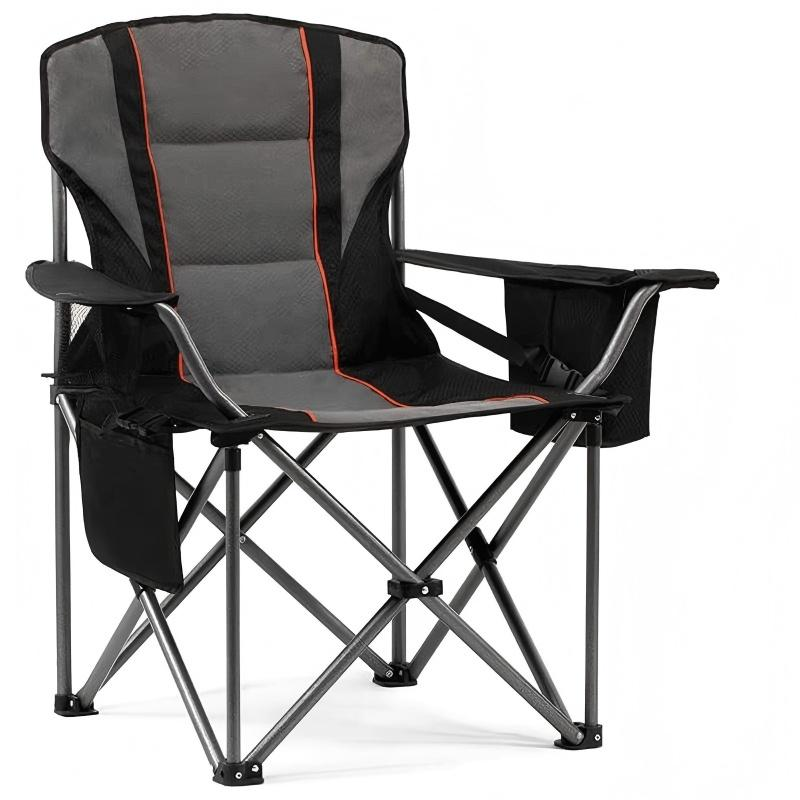
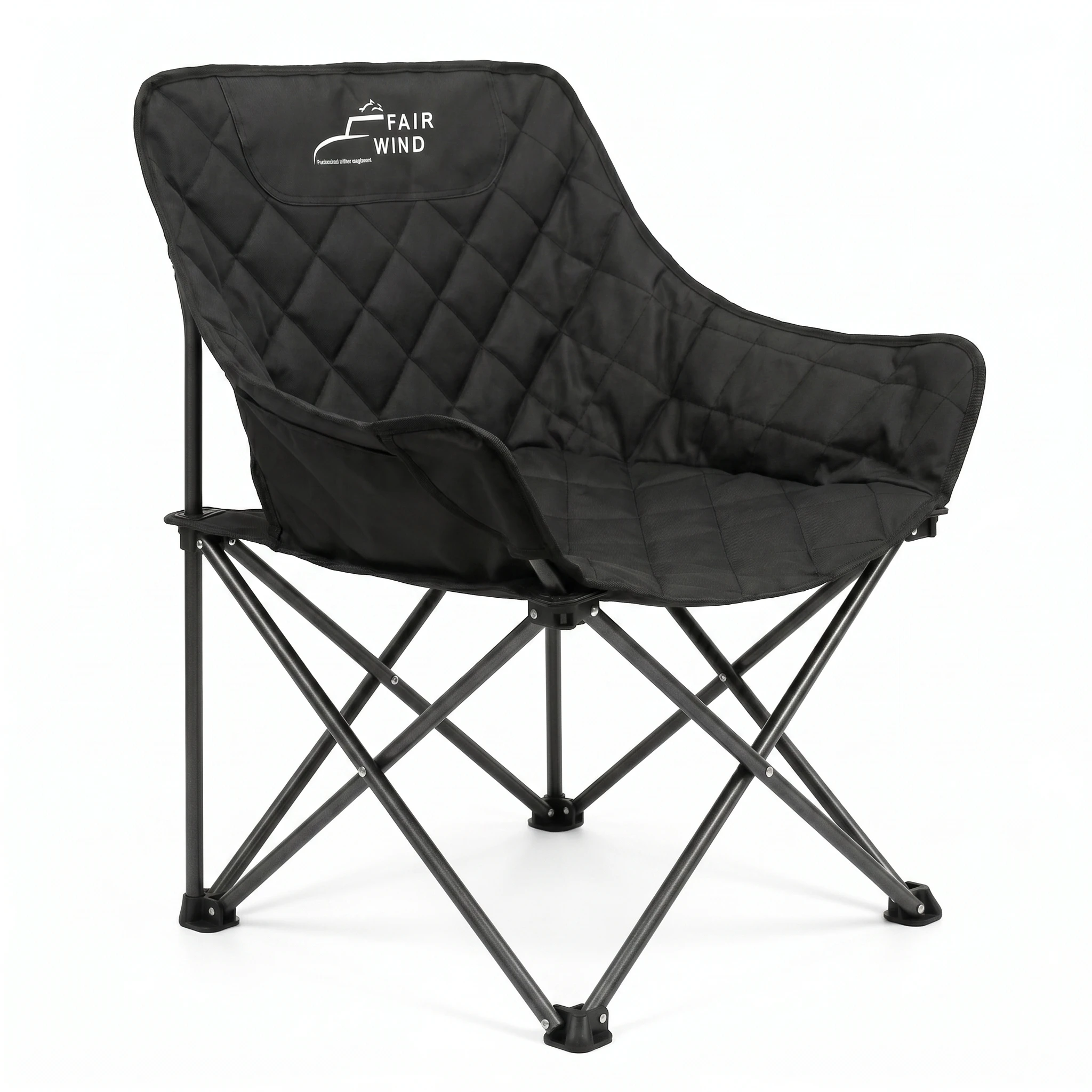
For B2B buyers, the topic of how to make a camping chair is not simply about DIY production. It is about understanding how commercial outdoor chairs are designed, manufactured, tested, and customized for different markets. From frame engineering and fabric selection to sewing, assembly, and packaging, every step affects comfort, durability, portability, and price. Today’s buyers also care more about lightweight construction, practical comfort, flexible customization, and reliable factory support. This guide explains the full manufacturing process of a camping chair from a business perspective, helping brands, importers, and wholesalers choose the right product structure and sourcing strategy.
Why B2B Buyers Need to Understand How a Camping Chair Is Made
When B2B customers search for “how to make camping chair,” they are usually not looking for a handmade household project. They want to understand how a commercial camping chair is developed at scale and what factors affect quality, cost, and market fit.
For buyers, this matters because a chair is not just a simple outdoor product. It is a combination of structure, materials, ergonomics, portability, and branding. A chair that looks good in pictures may still fail in real use if the frame is unstable, the seat angle is uncomfortable, or the fabric is too weak.
Understanding the manufacturing logic helps buyers answer practical questions such as:
- What frame material is best for the target market?
- How is an ultralight camping chair different from a standard chair?
- What makes a comfortable camping chair sell better in family or leisure markets?
- How can a supplier develop a custom camping chair for a private-label program?
- What should buyers ask a camping chair factory before placing an order?
For B2B business, knowing these answers helps reduce sourcing mistakes and improve product positioning.
The Basic Process of Making a Camping Chair
A commercial camping chair usually goes through several key stages. The exact process varies by product type, but the core workflow is similar across most factories.
Step 1: Product Planning
The first step is defining the type of camping chair to be made. This is a commercial decision before it becomes a technical one. The factory or product team needs to know:
- Who is the target customer?
- What outdoor scenario is the chair for?
- What price level is expected?
- Is the focus portability, comfort, durability, or appearance?
For example:
- An ultralight camping chair focuses on low weight and compact size.
- A comfortable camping chair focuses on seating experience, back support, and wider dimensions.
- A rocking camping chair focuses on leisure and premium comfort.
- A custom camping chair may focus on branding, colors, accessories, or retail presentation.
Without clear product positioning, later design and production decisions become inefficient.
Step 2: Structural Design
After the product direction is confirmed, the engineering team creates the chair structure. This is one of the most important steps because it determines safety, foldability, balance, and long-term durability.
Common structures include:
- X-frame folding chair
- Quad folding chair
- Director chair
- Moon chair
- Rocking chair base
- Compact stool
- Stadium seat support structure
At this stage, the supplier will calculate and test:
- Seat angle
- Backrest angle
- Weight capacity
- Tube thickness
- Joint connection points
- Leg stability
- Folding method
- Packed size
A professional camping chair manufacturer should be able to explain why a structure is designed a certain way, not just show a sample.
Step 3: Material Selection
Material choice directly affects product performance and price. A standard camping chair is usually made from four main parts:
- Metal frame
- Seat fabric
- Plastic or nylon connectors
- Hardware and accessories
Frame materials
The most common frame materials are steel and aluminum.
Steel
- Strong
- Lower material cost
- Good for mainstream and value-oriented products
- Usually heavier
Aluminum
- Lightweight
- Better for portable products
- More premium feel
- Higher material cost
For a general retail camping chair, steel is often acceptable. For an ultralight camping chair, aluminum is usually the better option.
Fabric materials
The seat and back panel are usually made from outdoor fabrics such as:
- Polyester
- Oxford fabric
- Ripstop polyester
- Nylon
- Mesh panel fabric
These materials are selected based on:
- Tear strength
- Abrasion resistance
- Weight
- Color options
- Printability
- Weather tolerance
For a more premium or lighter product, a camping chair manufacturer may recommend higher-strength lightweight fabrics. For a more comfort-oriented product, thicker fabric or padded construction may be used.
Step 4: Tube Processing and Frame Preparation
Once the materials are confirmed, the metal tubes are processed. This usually includes:
- Cutting the tube to exact lengths
- Bending the tube into shape
- Punching holes for hardware
- Preparing joints and connectors
Precision matters here. Even small errors can affect:
- Chair stability
- Folding smoothness
- Load-bearing reliability
- Appearance consistency
A capable camping chair factory should have stable production control in this stage, because frame accuracy is the base of the whole product.
Step 5: Surface Treatment
After tube processing, the frame usually receives surface treatment to improve appearance and durability.
Common options include:
- Powder coating
- Painting
- Anodizing for aluminum parts
This step helps the chair resist corrosion, scratches, and outdoor wear. Since the product is used outside, frame finishing is not only about looks but also about long-term performance.
Step 6: Fabric Cutting and Sewing
The fabric is cut according to the approved pattern. Then the sewing team assembles the seat, back panel, armrest sections, and reinforcement points.
This is where the product starts to show real commercial differentiation. A custom camping chair can be developed through fabric-related details such as:
- Custom color
- Printed logo
- Embroidered logo
- Woven label
- Storage pocket
- Cup holder
- Carry bag
- Mesh ventilation panel
- Padded seat section
Stress points must be reinforced carefully. If corners and support sleeves are not sewn correctly, the chair may fail during use even if the frame is strong.
Step 7: Assembly
After the frame and fabric are ready, the factory assembles the final camping chair. This may involve:
- Connecting all tube sections
- Installing rivets or screws
- Attaching fabric to the frame
- Fitting armrests, cup holders, or side pockets
- Checking folding and unfolding movement
At this stage, the factory must make sure the chair opens smoothly, sits evenly, and folds without resistance.
Step 8: Testing and Quality Control
A reliable camping chair factory should never depend only on visual inspection. Chairs should also be checked through functional testing.
Important checks include:
- Static load test
- Stability test
- Folding cycle test
- Fabric tension test
- Stitching inspection
- Frame finish inspection
- Accessory inspection
- Carton and packing check
This step is especially important for B2B buyers, because product failure in the end market can damage both brand reputation and customer trust.
Step 9: Packing and Shipment
The final stage is packing. Depending on the product style, the camping chair may be packed in:
- Carry bags
- Individual cartons
- Mail-order packaging
- Retail display cartons
- Bulk export cartons
Good packaging protects the product during transport and also supports the final sales channel. For e-commerce or retail projects, packaging often becomes part of the product strategy.
How to Make an Ultralight Camping Chair
An ultralight camping chair is designed mainly for portability. It is usually aimed at users who care about easy carrying, compact storage, and lower transport weight.
To make this type of chair, suppliers usually focus on:
- Aluminum frame instead of steel
- Smaller tube structure
- Compact folding system
- Lightweight high-strength fabric
- Reduced accessories
- Carry bag integration
However, lightweight does not mean weak. A good ultralight camping chair still needs proper reinforcement in key tension areas. The challenge is balancing strength, portability, and user confidence.
From a B2B perspective, this category is suitable for:
- Portable outdoor lines
- Sporting goods retailers
- Lightweight travel product collections
- Higher-value camping programs
How to Make a Comfortable Camping Chair
A comfortable camping chair is built around ergonomics rather than minimum weight. It is often more suitable for car camping, family outdoor programs, patio crossover products, and mass retail channels.
To improve comfort, manufacturers usually adjust:
- Seat width
- Seat depth
- Backrest height
- Recline angle
- Armrest height
- Fabric tension
- Leg stability
- Padding or mesh layout
A comfortable camping chair may also include:
- Wider seat base
- Padded backrest
- Cup holder
- Side pocket
- Head support
- Higher back design
These features usually increase weight and size, but they also improve perceived value and user satisfaction. For many B2B buyers, this category has strong commercial potential because comfort often influences purchase decisions more than technical weight savings.
How to Make a Rocking Camping Chair
A rocking camping chair is more complex than a standard folding chair because it adds motion to the structure. The chair must remain stable not only when seated, but also while rocking.
To make a rocking camping chair, the supplier must control:
- Base geometry
- Rocking range
- Weight distribution
- Anti-tip safety
- Side support strength
- Joint durability
Compared with a basic camping chair, a rocking version is usually:
- Heavier
- More premium in feel
- More leisure-oriented
- Better suited to relaxed outdoor settings
For B2B buyers, this category works well as an upgraded or differentiated product because it stands out from ordinary camp seating.
How to Make a Custom Camping Chair
For B2B business, custom camping chair development is one of the most valuable areas. Many importers, distributors, and private-label brands do not want standard market products. They want chairs adapted to their own customers and sales channels.
A custom camping chair may be customized in the following ways:
- Frame color
- Fabric color
- Logo printing
- Embroidery
- Woven branding label
- Chair size
- Weight capacity
- Cup holder style
- Pocket design
- Carry bag design
- Packaging design
In some cases, the product itself is also adjusted for market needs. For example:
- Beach products may need a lower seat height
- Kids products need smaller proportions
- Hunting styles may use darker or camouflage fabrics
- Event or promotional chairs may emphasize branding visibility
- Retail projects may need barcode-ready packaging
A good camping chair manufacturer should be able to turn these ideas into workable production solutions.
Product Types and Their Market Use
Different products suit different markets. Buyers should not treat every camping chair as the same category.
| Product | Market Use | Main Advantage |
|---|---|---|
| Camping Chair | General outdoor retail | Broad demand |
| Beach Chair | Coastal and summer markets | Relaxed low seating |
| Kids Chair | Family and gift sets | Child-specific size |
| Hunting Chair | Outdoor sports niche | Rugged practicality |
| Rocking Camping Chair | Leisure and premium camping | Strong comfort appeal |
| Director Chair | Events and utility use | Structured support |
| Moon Chair | Lifestyle and casual retail | Cozy seating style |
| Stool | Compact and value-driven use | Easy to carry |
| Bungee Chair | Trend-driven lifestyle use | Different seat feel |
| Stadium Seat | Sports and project channels | Targeted application |
This is why many buyers prefer a diversified camping chair factory that can support multiple categories under one supplier relationship.
What Buyers Should Ask a Camping Chair Factory
Before placing an order, buyers should evaluate more than price. A reliable camping chair factory should be able to answer these questions clearly:
- What frame material do you use?
- What is the tube thickness?
- What fabric is used?
- What is the weight capacity?
- What testing do you perform?
- What is the MOQ?
- What is the sample lead time?
- What is the bulk lead time?
- What logo methods do you support?
- Can you develop a custom camping chair?
- What packaging options are available?
- Do you have export experience?
These questions help buyers understand whether the supplier is only a trader or a real camping chair manufacturer with practical production capability.
Common Mistakes in Camping Chair Development
When developing a camping chair, buyers often make avoidable mistakes.
Choosing based only on price
The cheapest option may use weaker tubes, lower-grade fabric, or poor finishing.
Ignoring comfort
A chair that folds well but sits badly will not perform strongly in the market.
Over-customizing too early
A custom camping chair should usually start from a proven structure, then be adjusted step by step.
Using the wrong product for the wrong market
An ultralight camping chair is not always the right choice for customers who want a comfortable camping chair for family use.
Underestimating packaging
Packing affects shipping cost, storage efficiency, and product presentation.
A Simple B2B Framework for the Right Camping Chair
A useful way to develop the right camping chair is to follow four steps:
1. Define the user
Who will buy and use the chair?
2. Define the product type
Do you need a basic chair, ultralight camping chair, comfortable camping chair, rocking camping chair, or another category?
3. Define the market level
Is the product for promotion, mass retail, or premium branding?
4. Choose the right supplier
The best camping chair manufacturer is the one that offers stable quality, reasonable lead times, and practical customization support.
If buyers want to evaluate production capability further, they can review supplier manufacturing strength on the factory page or check actual project cases.
FAQs
How is a camping chair made in a factory?
A camping chair is usually made through product planning, structural design, material selection, tube processing, surface treatment, fabric cutting, sewing, assembly, testing, and packaging.
What is the best material for a camping chair?
It depends on the target market. Steel is strong and cost-effective, while aluminum is lighter and better for portable products. Fabric is usually polyester, Oxford fabric, or nylon-based outdoor material.
What makes an ultralight camping chair different?
An ultralight camping chair focuses on low weight, compact size, and easy carrying. It usually uses lighter frame materials and simplified structure.
How do you make a comfortable camping chair?
A comfortable camping chair is made by improving ergonomics such as seat width, seat angle, back support, and armrest position. Padding and wider structures can also improve comfort.
Is a rocking camping chair harder to manufacture?
Yes. A rocking camping chair needs more careful engineering because the base must support controlled movement while remaining stable and safe.
What can be customized on a custom camping chair?
A custom camping chair can usually be customized by frame color, fabric color, logo, accessories, carry bag, packaging, and sometimes size or load capacity.
How do I choose a reliable camping chair manufacturer?
Choose a camping chair manufacturer that can clearly explain its materials, testing, MOQ, lead time, customization options, and production experience.
Conclusion
For B2B buyers, learning how to make a camping chair means understanding how a commercial chair is engineered, produced, and positioned for the market. A successful product depends on structure, materials, comfort, durability, and manufacturing control. Whether you need a standard camping chair, an ultralight camping chair, a comfortable camping chair, a custom camping chair, or a rocking camping chair, the right supplier makes a major difference. At Fairwind, we support global buyers with practical product development and reliable manufacturing solutions. Visit our homepage at Fairwind or contact us to discuss your next project.