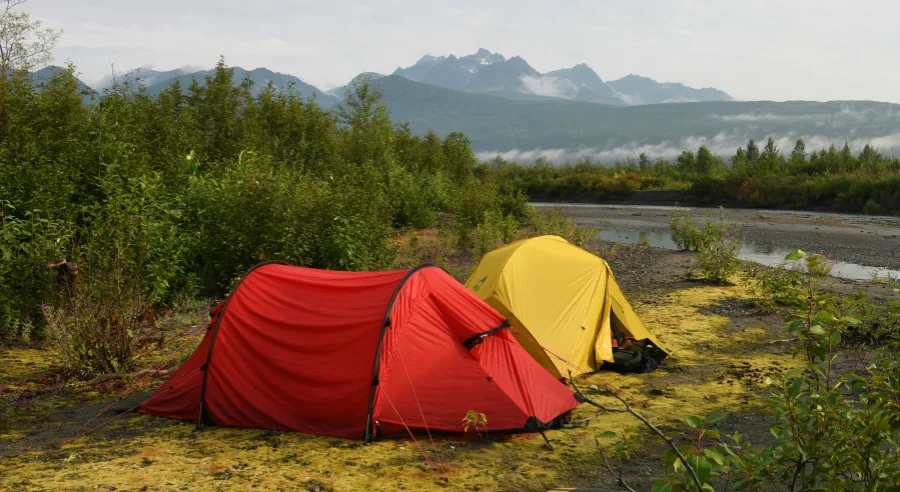
When buyers evaluate a camping tent—whether for retail distribution, rental operations or private-label branding—the decision rarely depends on a single parameter. In real purchasing scenarios, professionals typically weigh several core factors at once: weather protection, interior comfort, structural stability, ease of setup and long-term durability.
Among these considerations, ventilation is often underestimated at first glance, yet it quietly influences nearly all of them. Poor ventilation leads to condensation, overheating, material degradation and negative end-user feedback—regardless of how waterproof or robust the tent appears. As camping activities expand into more diverse climates and usage scenarios, ventilation design has become a decisive element in tent performance and market acceptance.
Why Ventilation Is a Core Performance Factor in Camping Tents
A camping tent is essentially a controlled micro-environment. Once occupied, heat and moisture generated by breathing, body warmth and external humidity begin to accumulate. Without a well-designed airflow system, this trapped air quickly results in condensation, temperature imbalance and reduced comfort. An effective ventilation of camping tent directly supports the stable internal temperature, moisture and condensation control, improved sleeping comfort of users and longer material lifespan.
From a B2B dealer perspective, ventilation-related issues often surface only after products reach the market—through returns, complaints or declining repeat orders. This makes ventilation not just a design feature, but a risk-management factor for importers, distributors and outdoor brands of camping tents.
How Camping Tents Achieve Effective Ventilation
Ventilation in modern camping tents is not achieved through a single component, but through a combination of structural, material and layout decisions. Professional camping tent manufacturers treat ventilation as a system rather than an add-on.
One of the most common approaches is the use of mesh panels, typically integrated into doors, side walls, or ceilings. Mesh allows continuous airflow while maintaining insect protection, making it especially important for warm and humid environments.
Another critical design element is vent placement, particularly roof vents or high-positioned openings. Warm air naturally rises, so upper vents enable hot, moist air to escape efficiently, reducing internal condensation. When combined with lower intake points, this creates natural convection airflow inside the tent.
Double-wall construction is also widely used to enhance ventilation performance. By separating the inner breathable layer from the outer rainfly, camping tent manufacturers create an airflow gap that helps moisture evaporate before it reaches the sleeping area. This design is common in three-season and four-season tents alike.
Additionally, adjustable ventilation features—such as zippered vents, roll-up panels or closable mesh sections—allow users to adapt airflow based on weather conditions. This flexibility is particularly valuable for products targeting multiple regions or seasons.
For B2B buyers, understanding these ventilation mechanisms helps evaluate whether a tent is truly suitable for its intended climate and usage scenario and a good choice to add into product portfolio.
Ventilation Design in Hot and Humid Climates
In tropical, coastal and summer-dominant markets, ventilation is often the primary comfort driver. High temperatures combined with humidity can make enclosed spaces uncomfortable within minutes if airflow is insufficient. Tents designed for these climates typically emphasize openness and airflow efficiency. Large mesh areas, wide door openings and multiple vent points allow continuous air exchange, preventing heat buildup. Roof vents play a crucial role by releasing hot air that accumulates near the ceiling.
For distributors serving Southeast Asia, Central America, or summer camping markets, breathable camping tent designs are closely linked to user satisfaction and sales performance. Ventilation must also be balanced with UV protection and insect resistance to meet regional expectations.
Ventilation Requirements in Cold and Alpine Climates
Cold-weather environments present a different challenge. While insulation and wind resistance are essential, completely sealing a tent creates severe condensation issues caused by warm internal air meeting cold surfaces. Effective cold-climate ventilation focuses on controlled and minimal airflow rather than maximum openness. Small, adjustable vents positioned near the top of the tent allow moisture to escape without significant heat loss. Double-wall construction is especially important in these conditions to prevent condensation from dripping into the living area.
For buyers sourcing winter tents or four-season tents, ventilation design should be evaluated alongside thermal performance. Many cold-weather tent failures stem not from low temperatures, but from excessive internal moisture.
Ventilation Design for Windy and Dry Environments
In desert, plateau or high-wind regions, ventilation must be carefully managed to avoid compromising stability or allowing dust and sand to enter the tent. Successful designs often integrate low-profile vents protected by external flaps or hoods. These vents are oriented to work with prevailing wind directions while minimizing turbulence. Fine mesh fabrics are commonly used to maintain airflow while blocking airborne particles.
For B2B customers serving expedition, adventure travel, or rental markets, wind-resistant ventilation design is directly tied to safety, durability and user trust.
Seasonal Tents vs. Four-Season Tents: Ventilation Differences
Seasonal tents are typically engineered with a specific climate in mind, allowing ventilation systems to be optimized for one dominant use case. These tents often feature fixed mesh panels and lightweight airflow structures. Four-season tents, by contrast, rely on adjustable ventilation systems. Closable vents, reinforced airflow channels and adaptable layouts allow them to perform across varying temperatures and humidity levels. For camping tent distributors and brand owners, understanding these differences helps ensure correct product positioning and reduces the risk of customer dissatisfaction due to climate mismatch.
How Ventilation Impacts Tent Longevity and After-Sales Performance
Ventilation affects more than comfort—it directly influences product durability. Persistent internal moisture accelerates fabric aging, weakens coatings and increases the risk of mildew and odor retention.
Well-ventilated tents typically demonstrate:
-
Improved resistance to mold and odor
-
Slower material degradation
-
Better long-term appearance and usability
For B2B buyers managing private-label programs or rental inventories, proper ventilation design reduces maintenance costs and after-sales issues.
What B2B Buyers Should Evaluate in Tent Ventilation Design
Professional camping tent buyers should assess ventilation as a functional system rather than a checklist item. Key evaluation points include airflow logic, vent adjustability and how ventilation interacts with structure and materials. Experienced camping tent manufacturers offering OEM and ODM services often customize ventilation designs based on target markets, climate conditions, and brand positioning, providing added value beyond standard models.
Conclusion: Ventilation as a Strategic Design Factor in Tent Performance
Ventilation design plays a decisive role in camping tent performance across different climates. From managing heat and humidity to controlling condensation in cold environments, effective airflow systems directly shape user experience and product longevity.
For B2B buyers, importers and outdoor brands, prioritizing ventilation design during sourcing and product development is essential for long-term commercial success. Partnering with camping tent manufacturers who understand climate-driven design requirements ensures better performance, fewer after-sales issues and stronger market competitiveness.